
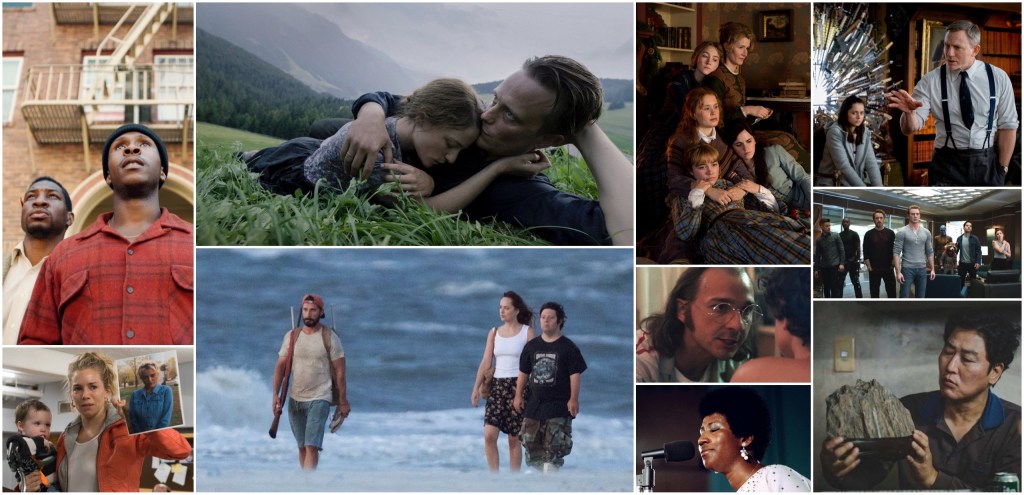
If you missed the first part of my 2019 list, you can read it (including all of my disclaimers about not blaming me for whatever you decide to watch) here. Now for my top twelve and some other scattered thoughts on what I saw last year.
After 2016 took my love for movies to another (diagnosable) level, 2017 and 2018 came up a little short for me. This past year was another one for the books, packed with so many good (and several great) films. I’m pretty iffy about assigning rankings to…well, almost anything, but I’m going to dig deep and rank my top twelve. I’ve tinkered with the list all year, and as always, if I wrote this next week there’s a good chance I’d shuffle many of them around. So again, this is nothing more than my own subjective, subject-to-change ranking of my favorite movies from 2019.
TOP TWELVE
12. Dark Waters
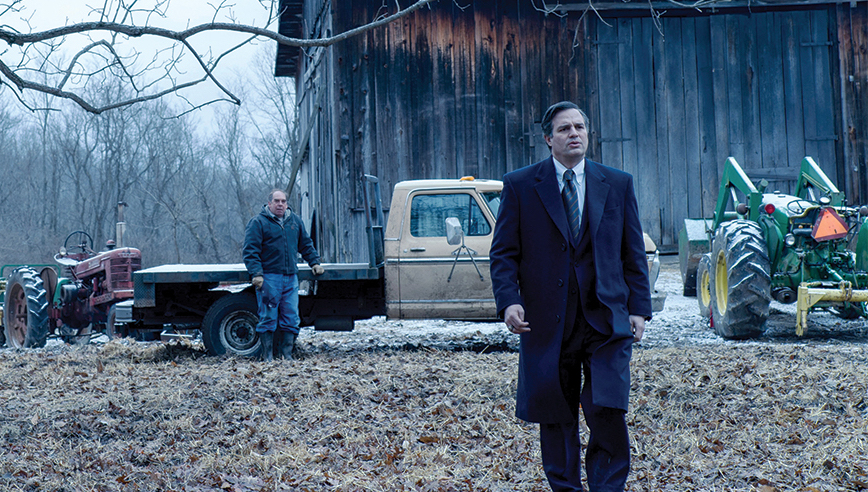
Procedurals like DARK WATERS are not going to garner a lot of attention or praise at this point, but this is one of a couple of 2019 movies that embraced a traditional genre most are ignoring and excelled. Based on a 2016 New York Times Magazine article by Nathaniel Rich, DARK WATERS chronicles the years-long effort of attorney Rob Bilott to expose layers of malfeasance by DuPont, whose production of Teflon products was responsible for all sorts of illness and death. Mark Ruffalo, who embraces his inner anti-Hulk in playing Bilott, offers one of the most under-appreciated performances of the year. It’s a relatively subdued role, the pace of the film is purposefully measured, and there’s a sort of muted grayness to the look throughout. That’s tough to market these days, but this is a powerful telling of an important story. // Trailer; watch: streaming/rental on March 3, looks like it may stream on HBO like other Focus Features films.
11. Amazing Grace
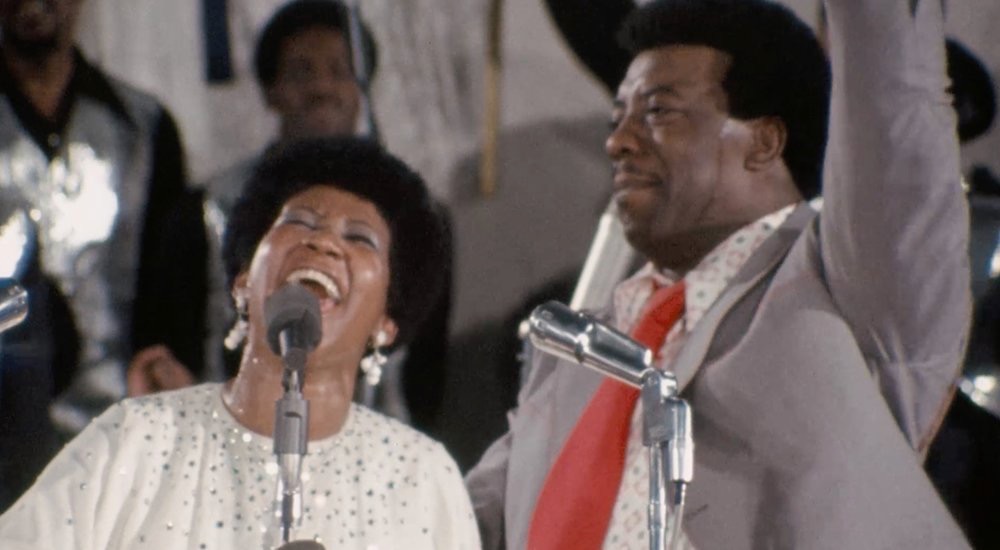
I’d rather not write a lot about this one and instead just urge you to make time to sit quietly in its presence. In short, this is 90 minutes of footage from the live recordings of Aretha Franklin’s 1972 gospel album, Amazing Grace. There are multiple stories about why it didn’t see the light of day until last year, but I’m sure glad it finally made its way to us. It’s like someone buried a treasure five decades ago and we just dug it up by accident. It’s transcendent. // Trailer; streaming on Hulu and rental services.
10. The Peanut Butter Falcon
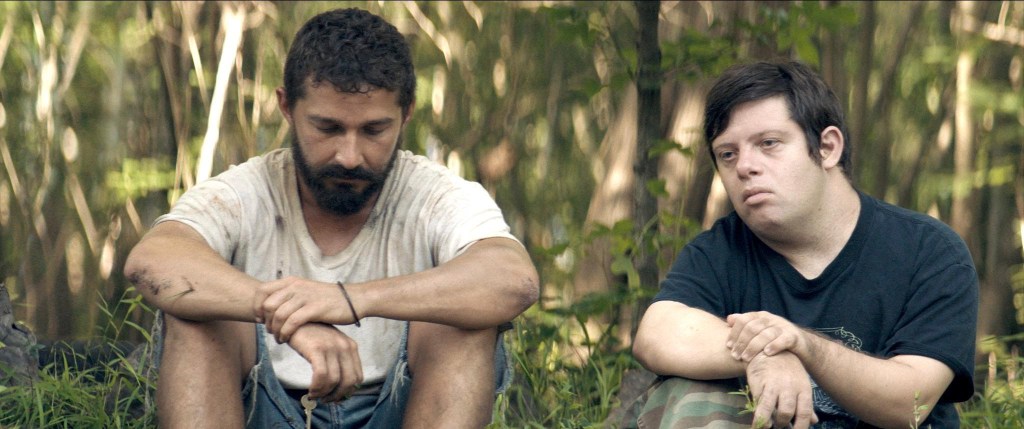
This is where I remind you that this isn’t a list of the twelve best films of the year by some consistent critical standard; these are my favorite movies of the year. There were a thousand reasons for THE PEANUT BUTTER FALCON not to work, but it does work, silly moments and all. And it works not in spite of a lead with Down Syndrome but because Zack Gottsagen is so darn perfect carrying the story alongside Shia LaBeouf. He’s not good in a sappy, “we all feel better about ourselves for loving this guy with Down Syndrome” way. He’s at home and thoroughly human in the way actors get paid millions to try to be. If you do a little reading, you’ll find that Zack and Shia became very close during this project, and Shia shares openly that their friendship profoundly shaped his life, including his faith. Dakota Johnson, who I also like a lot in this role, has echoed those sentiments. The script is a little goofy at times, but there’s something deeper happening that’s bigger than the typical sum of a movie’s parts. I dare you to watch and try to pretend to be unaffected as Zack expresses his deepest affections (or anger) by inviting (or uninviting) people to his birthday party. As a side note, Bruce Dern is terrific in his relatively minor role, something he pulled off twice in 2019. I failed to mention it before, but he was my second favorite part of ONCE UPON A TIME… IN HOLLYWOOD. // Trailer; watch: widely available for streaming rental.
9. Avengers: Endgame
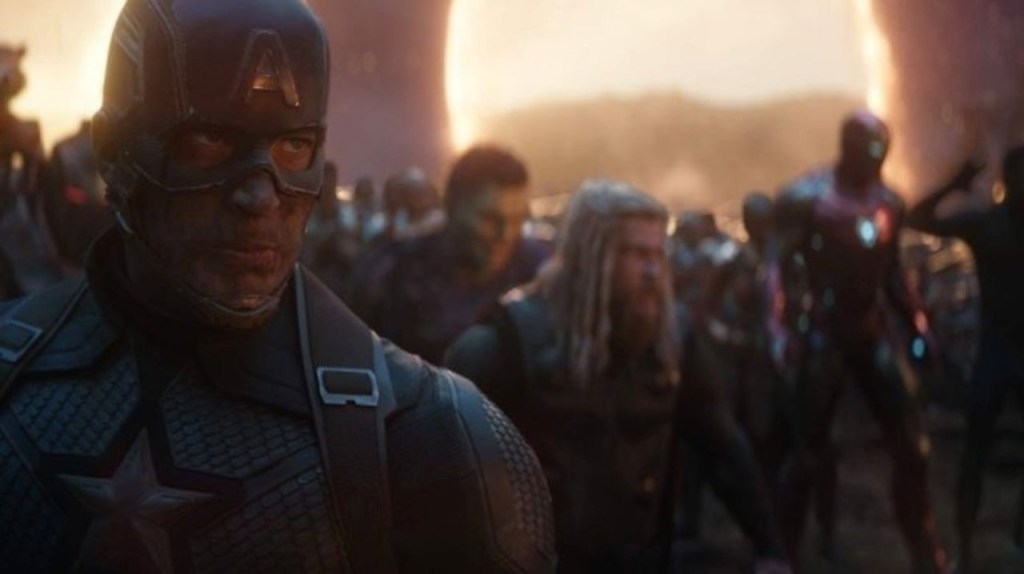
If you’ve followed the Marvel storyline to this point and you don’t find Endgame satisfying, it’s possible that life in general is going to be pretty disappointing for you. It’s not perfect, but it’s hard to ignore that I walked into a theater confident that a movie couldn’t possibly survive the weight of its own expectations and walked out thinking about when I could carve out another three hours to see it again. I laughed. I cried. I cheered. (Really.) // Trailer; watch: streaming on Disney Plus and rental services; content: lots of people get beat up real good.
8. American Woman
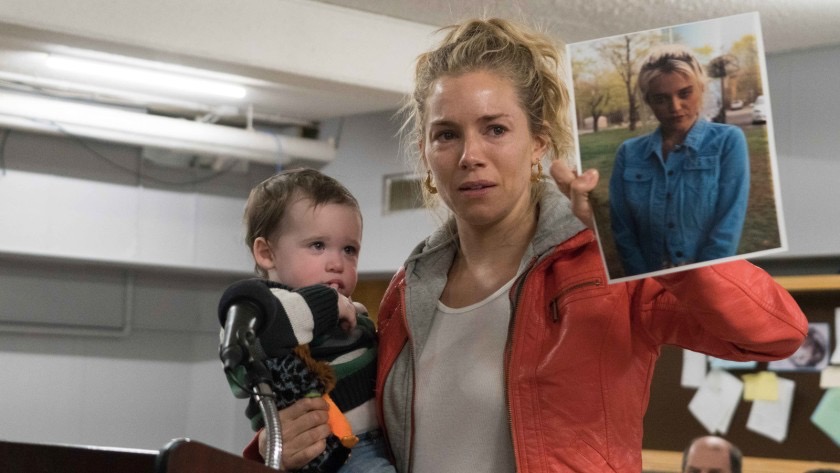
Like DARK WATERS and a few others on my list, this is another case of a great film flying under a movie industry radar that’s more tuned to marketing budgets than to excellent art and storytelling. I could make this plea in several spots, but I’ll make it here: If you find yourself regularly complaining that most movies are terrible these days but you enjoy good stories and characters, dig a little deeper. You’re right, Hollywood produces soul-rotting eye candy by the ton, but the good movies aren’t gone; they’re often just harder to find. Sienna Miller is a force in this story about a mother desperately searching for her missing daughter while also coming to terms with her own identity and decisions about the value of her life, whether or not she finds her child. // Trailer; watch: streaming on HBO and rental services; content: domestic violence, attempted suicide by car crash, lots of language and discussion of sex, one or two sex scenes that I don’t recall being terribly graphic, but this is rated R for a reason.
7. Wild Rose
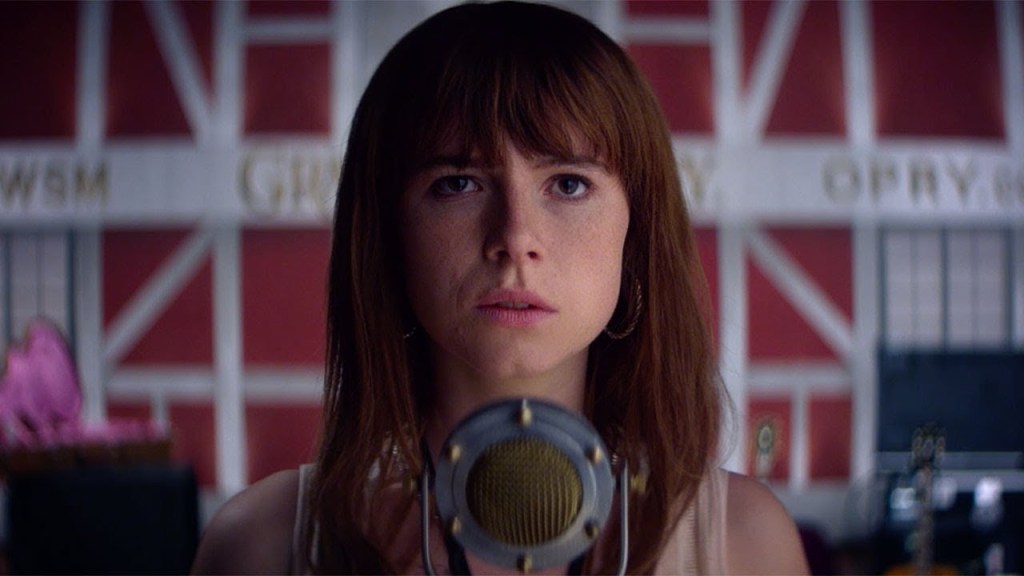
Somewhere in Hollywood someone is pitching a Mr. Belvedere movie. I’m sure of this because the train of recycled ideas is clearly not slowing down despite the fact that we’ve nearly scraped the 80s clean with unnecessary and uninteresting remakes. But whatever is driving that (spoiler alert: it’s money and cynicism), the problem isn’t a lack of writers capable of creating original content. I know this because a woman named Nicole Taylor who none of us have ever heard of wrote a script about a young Scottish woman fresh out of prison who is desperate to move to Nashville and become a country star, and it’s great. WILD ROSE is gritty enough to be believable, sweet enough to be rewarding, and brave enough to let the story find meaningful resolution in a space you don’t quite expect. Jessie Buckley (who you’ll know if you’ve watched Chernobyl) crushes the part and, like Sienna Miller, should have been in the conversation for the year’s best performance. // Trailer; watch: streaming on Hulu and rental services; content: rated R mostly for language, one not-terribly graphic sex scene that I recall.
6. Parasite
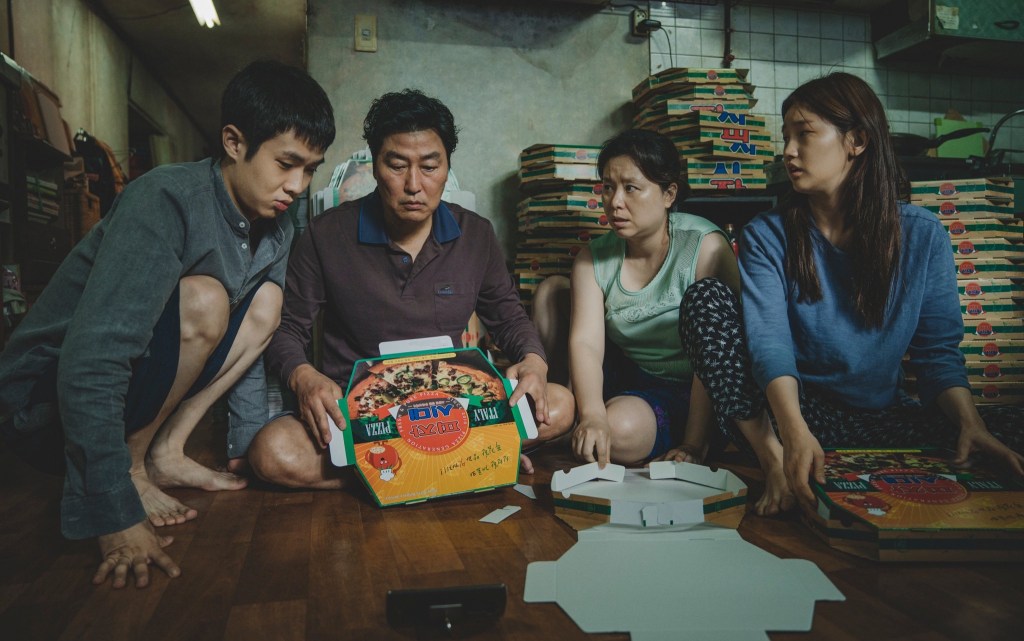
It seems kind of silly for me to write a lot about PARASITE at this point given the amount of virtual ink spilled over it in the last month. It isn’t my pick for the top film of the year, but I was happy it won Best Picture; only one other nominee lands higher on my list. The penultimate act is all that kept me from joining the most ardent of PARASITE fans, as I still don’t quite get the need to steer a methodically-mapped plot (and social statement) into total cacophony. Otherwise it’s nearly perfect, masterfully written and directed and packed with brilliant actors. // Trailer; watch: still in some theaters after the Oscar push but also streaming on rental services and will land at Hulu on April 7; content: once it gets violent, it goes full Tarantino, a good bit of language (transcribed in the English subtitles) and a sex scene between a husband and wife that doesn’t include actual nudity but is fairly, um, specific.
5. Knives Out
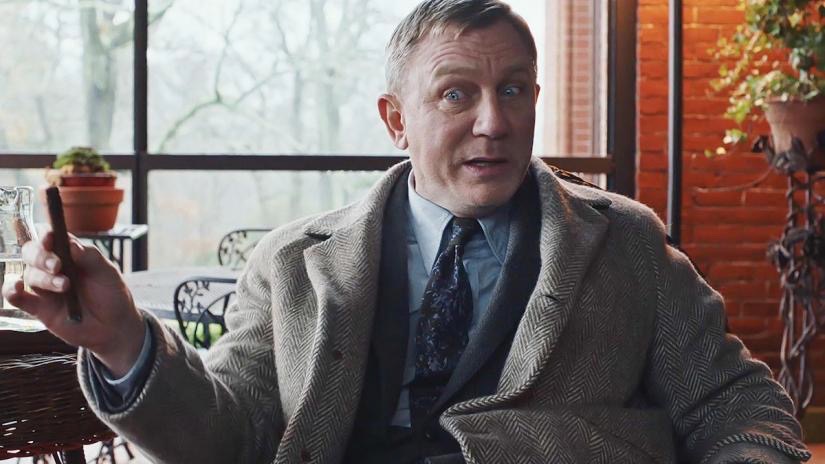
Man oh man, I love this movie. I promise you there was a long list of people in Hollywood scoffing at the prospects of an old fashioned murder mystery, even with Rian Johnson at the helm. KNIVES OUT has now made more than $300M worldwide which is, um, a lot for any kind of movie. I’ve written and deleted several sentences here because I don’t want to spoil it in any way for those who haven’t seen it. If that’s you, try to avoid knowing any more than you already know (it’s safe to finish this paragraph and the next), but put this one on your list. If you’ve seen it once, this is one I recommend seeing again because there is so much genius to the unfolding plot you simply don’t remember by the time you get the full picture the first time.
I’m blown away by what Johnson created, both in his writing and his direction, and the cast is stellar. Daniel Craig is the obvious star, and he is indeed great, but the detailed work by so many of the supporting cast members is exceptional. Consider how many lines Michael Shannon delivers in a falsetto, how steadily authentic-to-character Jamie Lee Curtis is with her expressions (and so forth). And gosh, “I read a tweet about a New Yorker article about you,” is the most pitch-perfect 2019 line I can imagine. Mostly this movie makes me ask the question: Why aren’t there more smart, fun movies like this? // Trailer; watch: still in a lot of theaters, but also streaming on rental services as of today. The dvd/blu-ray looks to have quite a bit of extra content, which seems likely to be fun for a movie like this. I’ve noticed Redbox physical rentals contain the bonus materials more frequently than in the past; content: an apparent suicide scene (or was it?), on the high end for language for a PG-13 movie.
4. Honey Boy
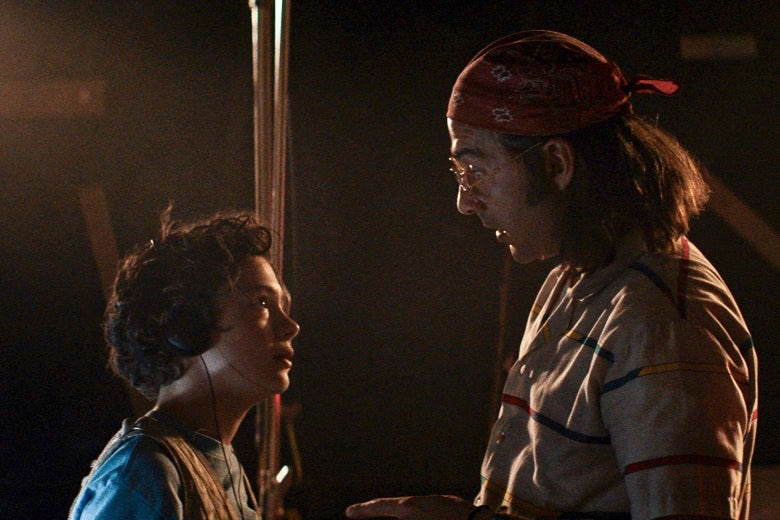
2019 was quite a year for Shia LaBeouf. He was good in THE PEANUT BUTTER FALCON, but this performance is a whole ‘nother thing. He wrote HONEY BOY in rehab as he was doing the very hard work of reckoning with his chaotic life to that point. Though the characters have fictitious names, this is essentially the story of Shia’s life, alternating between scenes from his childhood and scenes from the season he spiraled toward and worked through rehab. The bulk of the movie focuses on his bizarre journey through the distorted reality of child fame while still living essentially poor with his deeply broken father. The real power here is that Shia plays his own father, an idea that could have been a total disaster but instead is one of the more powerful and obviously cathartic performances I’ve ever seen. He balances honesty about and love for his dad in a way that is excruciating to watch but still deeply humanizing and empathy-evoking, something he talked through with his dad before making the film.
Man, Lucas Hedges is everywhere. // Trailer; watch: streaming on Amazon Prime and rental services; content: some trigger warnings for verbal and physical abuse and generally a lot of really painful parent-child moments, lots of language, discussions of some level of past sexual assault.
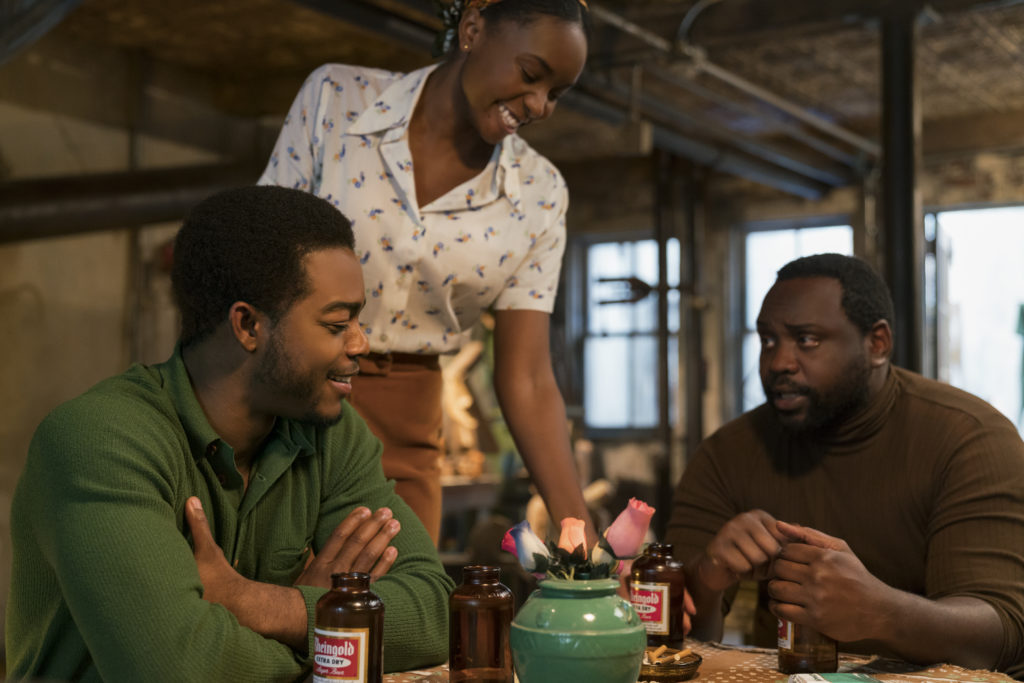
3. The Last Black Man in San Francisco
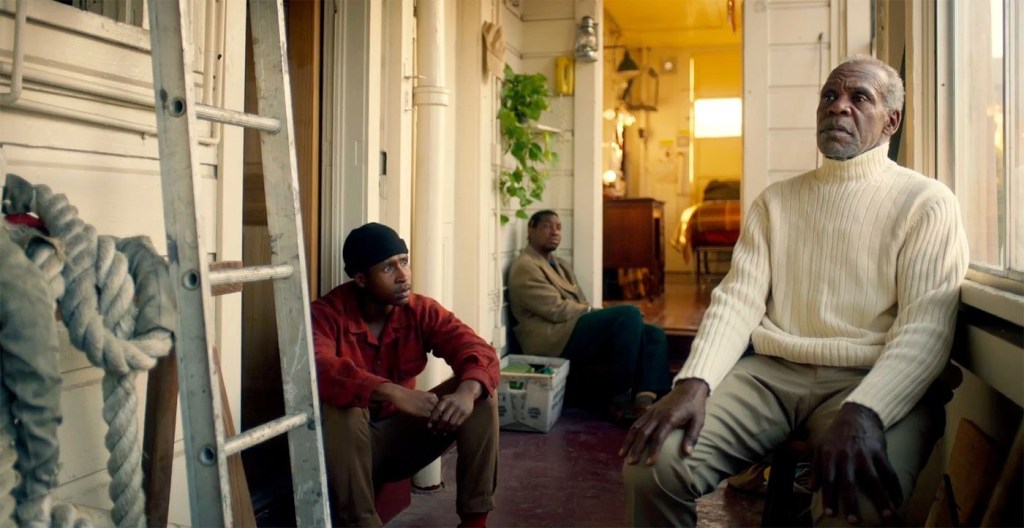
This was at the top of my list until the last two weeks of the year. Again I find myself reluctant to write much because I don’t want to try to describe what is better seen. It’s different, sometimes odd and abstract, and my exhortation is let it be what it is and engage it on its terms. It might feel a bit like you have to earn the story, but it comes if you wait for it. There are so many layers to what’s happening, but I was all the way in on it.
Identity. Place. Boyhood. Manhood. Masculinity. Race. Gentrification. Family. Truth. I was amazed by the ways an unorthodox movie managed to so deftly slice into all of these themes. And I can’t recall a more moving look into male friendship than this one.
The score is unlike anything I’ve heard before and part of what stitches together such an unusual film.
Danny Glover and Rob Morgan are terrific, but Jonathan Majors’ (HOSTILES) and newcomer Jimmie Fails’ (who developed the story loosely based on his life) performances are two of my favorites in a long time. It’s silly that Majors wasn’t an Oscar nominee. // Trailer; watch: streaming on Amazon Prime and rental services; content: one scene of male non-sexual nudity, some language.
2. Little Women

I made no effort to avoid spoilers on this one, but it’s Little Women, so you’ve had a few decades to catch up on the plot. I’m at risk for writing too much here, but I won’t apologize for that likelihood. I love this movie. Let me count the ways:
• Writer/director Greta Gerwig took on the task of retelling a story so well-known that it’s nearly impossible to create something that feels necessary. Any filmmaker in this role risks either clinging too tightly to familiarity or wandering too far afield and alienating the audience. Gerwig works true magic in keeping faith with Alcott’s original text while infusing it with new life and immediacy.
• Equally challenging is inviting and keeping an audience’s interest in a family whose enduring nature is warmth and goodness. Gerwig’s take on the March family is bursting with energy and life, and only the most determined cynics will refuse to be affected.
• Florence Pugh turns in my favorite performance of the year in her role as Amy, earning a Best Supporting Actress nomination from a rather unlikely role. Part of the brilliance of her performance is that she’s so good without consuming any of the space the other sisters’ characters need to flourish. Gerwig wrote Amy’s character from a different perspective on purpose, and I’ve rarely seen someone ease into a role with so many subtle perfections: the obsession with her nose, “you could be pretty if you tried,” her room-filling laughter at multiple turns, her doe-eyed, “I’m Amy,” when meeting Laurie, her face when Marmie asks them to give away their breakfast, her intonation in moments like, “Now my foot is stuck I can’t get it out!” It’s just one simple turn after another, many of them outstanding but none of them upstaging in a cast where upstaging would be a true shame. All of this builds to two masterful scenes between Amy and Laurie, one as she paints in the studio and the other a bit later on the lawn where, in her rebellion to Laurie finally articulating his feelings, she reveals she has “…spent my entire life loving you.” The electricity between Pugh and Chalamet in both moments is exactly as it should be for two people pretending not to be in love.
• …which brings me back to Gerwig, who deftly weaves this story between two timelines, and in this case cuts directly from Amy’s tearful confession/rejection to (years ago, when Laurie and Jo are inseparable) Amy making a mold of her foot to remind Laurie that she has nice feet. The brilliance of Gerwig’s parallel timelines is maybe most evident in the resolution of Beth’s two seasons of illness. I’ll admit I had to work a bit to keep track of where we were in time on first watch, but I was able to do it, and it’s all much cleaner and clearer (and even more ingenious) a second (or fourth) time around.
• I also became a fan of Emma Watson’s work here. The first time I saw it, the scenes between Meg and John felt a bit too much like stage acting, but that changed in subsequent viewings (yes, I’ve seen it enough to use the phrase “subsequent viewings”). Watson captures Meg’s sincerity as she slowly discovers the beautiful surprise that simple love is deeper and richer than whatever high society offers. As with Amy and the others, the direction and editing are key in Gerwig’s telling of Meg’s story. In the past timeline, Meg is offended by Laurie telling her he doesn’t care for her dress, but is later quick to forgive and essentially ask him for one night’s reprieve from being Meg March, promising she’ll return to herself for the rest of her life. We then cut to the present timeline where Meg and John argue about money and she describes her desire for things he can’t give her. “I’m tired of being poor,” she admits. Those sentiments exposed, Meg senses her deviation from true north, and the two of them spend the balance of the movie exchanging selfless gestures and finding joy in that way of living, embodying the words Mr. March speaks at their wedding.
• Timothée Chalamet is on the verge of superstardom (if he’s not already there), but he fits in here as one piece of a bigger picture with ease. He captures the duality of Laurie well, alternately leaning into privilege and bad behavior and vulnerably exposing his insecurities in the one safe place he finds: life among the March family. At times he seems to see the uncommon gift the sisters have been given better than they do, like when he rebuffs Amy’s defense of marrying for money as, “odd coming from the mouth of one of your mother’s girls” and when he tells Meg, who has been dressed up by wealthier friends, “I don’t like fuss and feathers,” then later in an apology, “I don’t like your dress, but I think you are just splendid.“ Laurie is unsettled by seeing “home” (for him the March way) distorted into the image of the world around it – the world he’s seeking refuge from in the Marches.
• I could write a paragraph on each of several other stars who are terrific, but I’ll abbreviate: Chris Cooper strikes a perfect middle ground between his classic hardass roles and his more endearing characters. Laura Dern is the antithesis of her Oscar winning divorce lawyer in MARRIAGE STORY, but I think she’s every bit as good here. LITTLE WOMEN is not overtly a religious story, but it is in very many ways an ode to virtue, and Dern’s Marmie is a stirring revelation of Christian virtue. She embodies kindness but admits her perpetual anger, only converted to something good when it is confessed and acted upon by something outside of her. She is ever urging her girls to love and forgive one another and to embrace a way that insists they always “help each other,” even when helping the one who has injured you is unimaginable. Meryl Streep is, well, perfect as Aunt March. Tracy Letts is one of my favorite actors working right now, and he’s very good here.
• There is a lot going on here in dealing with the realities of life for girls and women (in the 1800s and now), and I’ll limit my male input on that to this two-cents-worth: I think Gerwig does something fairly brave and important in this script by both dealing honestly with many of the impossible difficulties of being female and rejecting oversimplifications and miscorrections.
Jo: Women have minds and souls as well as hearts, ambition and talent as well as beauty and I’m sick of being told that love is all a woman is fit for. But… I’m so lonely.
…a moment which finds resolution when Jo, who had forsaken writing as not having the power she wanted it to have, lights a match, lifts her pen, and starts writing.
And when she tells Friedrich: I wish you would stay.
And when she tells Dashwood: I’ve decided. I want to own my own book.
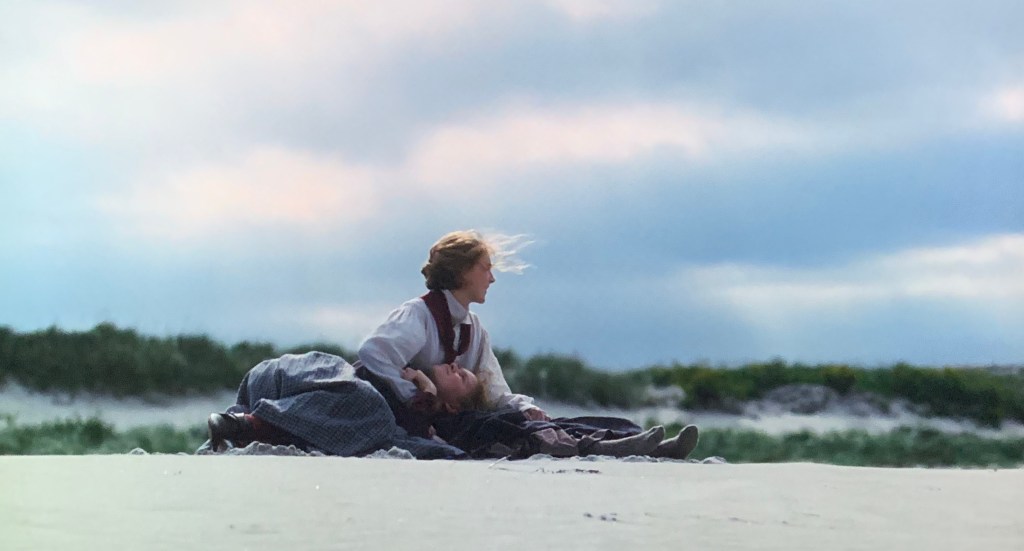
• These wide shots of Jo and Beth at the beach. Mercy. This is why you should still see good movies with no CGI or big effects like LITTLE WOMEN at the theater. And why when America shifts all its movie-watching to lesser venues like phones and teevee screens, I’ll move to whatever part of the world hasn’t caught up so I can keep going to the movies.
• Maybe my favorite part of the film is the sequence in which Jo declares, “I can’t believe childhood is over,” and Meg (on her wedding day) answers: “It was going to end one way or another. And what a happy end.” Then we cut to the garden outside the home for the wedding and Bob Odenkirk somehow gets perhaps the most beautiful lines in the whole script as he officiates Meg and John’s wedding:
What excessive promises, giving yourself away to get the other. What a thing, what a gift, always given before it is known the cost or the reward.
• I love the time and attention given to the physical building of a book.
• Each time I’ve seen the movie, I think I’m done crying, and as they’re printing the first copy of LITTLE WOMEN, they flash back to them as truly little girls, and I go full #girldad and lose it again.
• This conversation with Greta Gerwig about developing the script and making the movie is well worth your time. // Trailer; watch: still in theaters, scheduled to stream April 7; content: all the goodness.
1. A Hidden Life
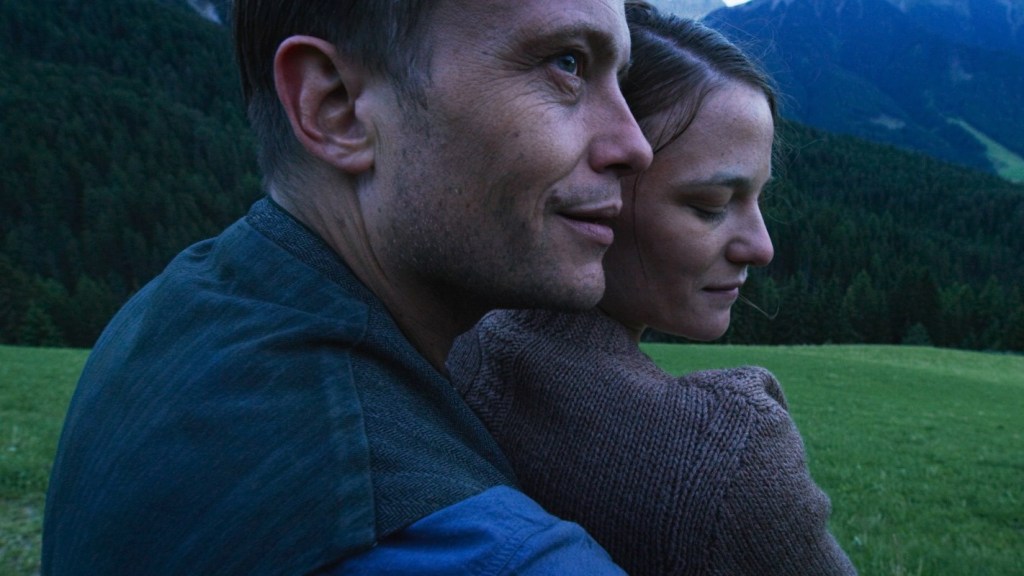
God help me as I try to offer some words about a film about which I’d rather say, “Please choose a day when you’re rested and able to engage, carve out three hours, and watch A HIDDEN LIFE” (when it’s available at home on March 3).
So I’ll keep it simple, as most of what I’m tempted to do is quote several gorgeous parts of the dialogue that you should experience as they were written to be experienced. This is Terrence Malick’s most accessible film in a long time, as it moves away from the non-linear structure he began using in THE NEW WORLD in 2005. But it’s otherwise Malick through and through, brimming with stunning imagery and spellbinding light. I use snobby words like cinema sparingly, but this is cinema.
The story is a true one, and Malick’s telling is clear and straightforward: Franz and Fani Jägerstätter live and raise their girls in a remote Austrian village in the 1940s, when they decide Franz will not swear loyalty to Hitler when he is conscripted into the army and compelled to do so. The Jägerstätters live a simple but sublime life, and Malick is meticulous in documenting the wonder and purity of the natural world around them and of their family way. In some ways this is the film Wendell Berry would make if he didn’t categorically reject screen-as-medium.
A HIDDEN LIFE is not dialogue-heavy for a three hour film, but it manages to righteously sift beauty and virtue in so many spaces: simplicity, ordinary love, soul-committed marriage, conscience over and against all logical and unbearable pressures, forgiveness, freedom, and on and on. This is history to be sure, but it is as relevant to this moment as any film I’ve seen in many years.
Malick derived the title from George Eliot’s Middlemarch:
For the growing good of the world is partly dependent on unhistoric acts; and that things are not so ill with you and me as they might have been, is half owing to the number who lived faithfully a hidden life, and rest in unvisited tombs.
A HIDDEN LIFE is the celebration of every uncelebrated, unknown, undocumented life of every man, woman, and child who faithfully bear the burden of choosing each day the life they’ve been given. Franz and Fani and their children — this film is about a marriage and family, not just a man — embody the intrinsic value of those lives, even when they are lived in obscurity. This is, of course, the beginning of the good news, and thanks be to God for this telling of it.
Anyway, please choose a day when you’re rested and able to engage, carve out three hours, and watch A HIDDEN LIFE. // Trailer; watch: streaming on March 3, though if by some miracle it reappears at a theater near you, go see it on the big screen.
SOME MISCELLANEOUS SUPERLATIVES
My favorite performances, big and small:
(until it’s not), thanks in no small part to Cho Yeo-jeong.
• Florence Pugh in LITTLE WOMEN
• Jonathan Majors and Jimmie Fails in THE LAST BLACK MAN IN SAN FRANCISCO
• Shia LaBeouf and Noah Jupe in HONEY BOY
• Song Kang-ho and Cho Yeo-jeong in PARASITE
• Jessie Buckley in WILD ROSE
• Bruce Dern in THE PEANUT BUTTER FALCON and ONCE UPON A TIME… IN HOLLYWOOD
• Adam Sandler in UNCUT GEMS
• Sienna Miller in AMERICAN WOMAN
• Brad Pitt in ONCE UPON A TIME… IN HOLLYWOOD
• Archie Yates in JOJO RABBIT
• Daniel Craig and Michael Shannon in KNIVES OUT
My favorite scenes and moments:
*I won’t describe these so as not to spoil them for those who haven’t seen them. I’m also including this with some reluctance because this is the area where I’ll later realize how many of my favorites I’m forgetting as I sit and write this.
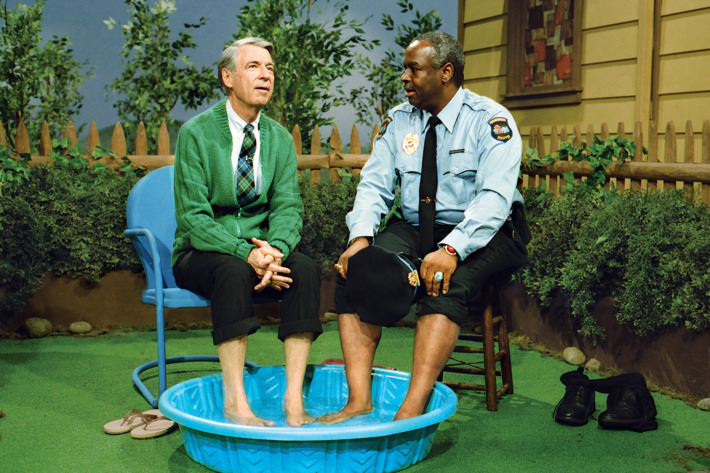
• Mr. Rogers praying for people by name (this is a perfect movie scene, by the way) in A BEAUTIFUL DAY IN THE NEIGHBORHOOD
• Jo and Beth on the beach (the second time) in LITTLE WOMEN
• Tracy Letts and Matt Damon in a race car together in FORD v FERRARI
• Mont’s play performance (so much emotional weight laid bare in such an unexpected way) in THE LAST BLACK MAN IN SAN FRANCISCO
• Mont haunting the old house in THE LAST BLACK MAN IN SAN FRANCISCO
• Jo watching her book being printed in LITTLE WOMEN
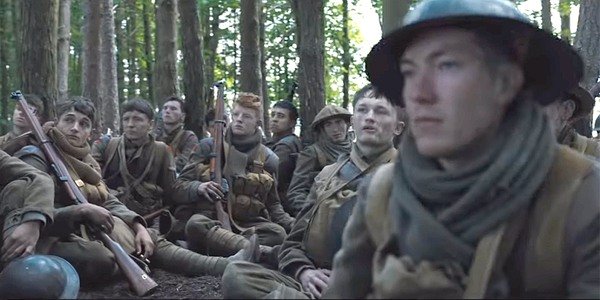
• The singing soldier in 1917
• Lost in the Woods in FROZEN 2 (don’t miss Weezer’s send-up)
• Brad Pitt fights Bruce Lee in ONCE UPON A TIME… IN HOLLYWOOD
• Several from A HIDDEN LIFE, but I need to see it again to pick one or two.
My favorite scripts:
• A HIDDEN LIFE
• LITTLE WOMEN
• KNIVES OUT
• THE LAST BLACK MAN IN SAN FRANCISCO – People aren’t one thing.
• PARASITE
• A BEAUTIFUL DAY IN THE NEIGHBORHOOD (We watched this as a family since I wrote Part 1 of my 2019 review, and I’d definitely bump it up my list at this point.)
2019 movies I still want to see
…if only to prove I don’t see everything.
• LIGHT FROM LIGHT
• EVERYBODY KNOWS
• ONE CHILD NATION
• HONEYLAND
• FOR SAMA
• BIRDS OF PASSAGE
• ASH IS PUREST WHITE
• HIGH LIFE
• TRANSIT
• RAISE HELL: THE LIFE AND TIMES OF MOLLY IVINS
• RICHARD JEWELL
• THEM THAT FOLLOW
• PETERLOO
• HER SMELL
Short films you should see
These usually can be found online, if not immediately, fairly soon after Oscar season.
• HAIR LOVE (animated)
• THE NEIGHBORS’ WINDOW
• NEFTA FOOTBALL CLUB
• SISTER (animated)
• SARIA
Five movies I wish I hadn’t seen (that I’ll admit I saw)
• MONOS
• ROCKETMAN
• THE GOOD LIAR
• GODZILLA: KING OF THE MONSTERS
• THE MAN WHO KILLED HITLER AND THEN THE BIGFOOT (I’ll pretty much watch any Sam Elliot movie.)

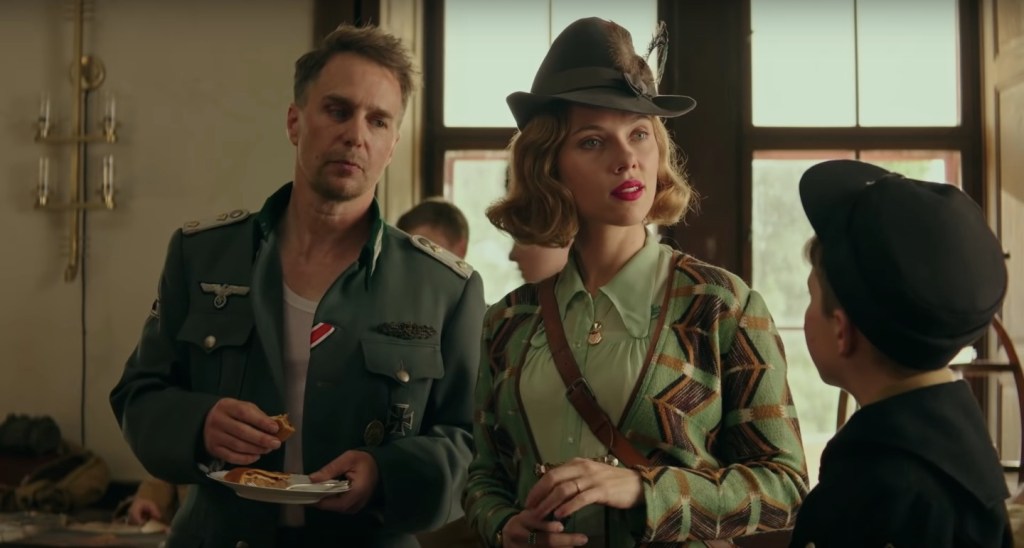
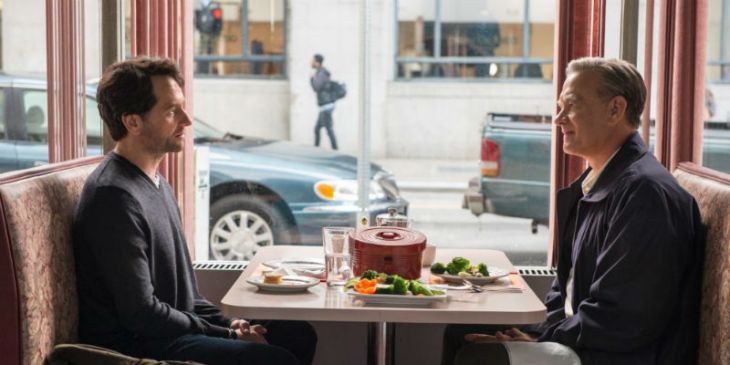
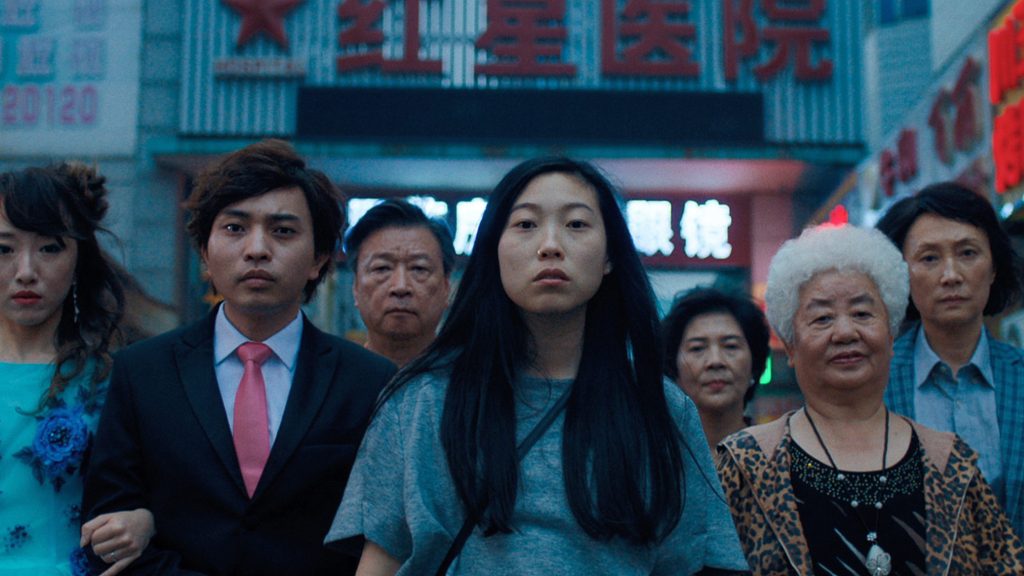
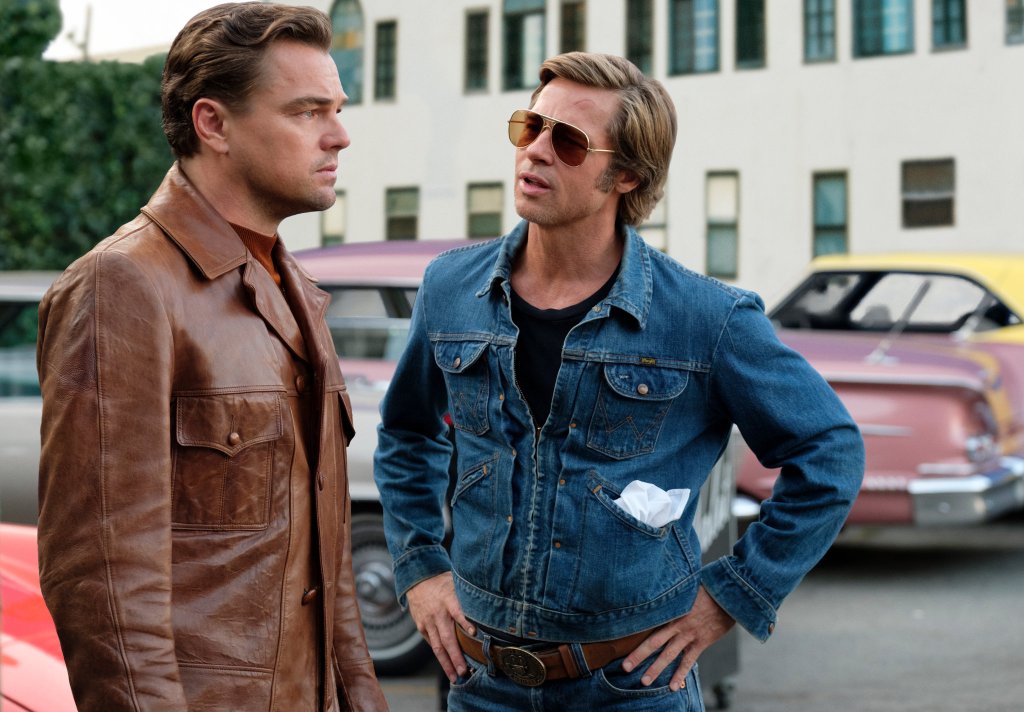



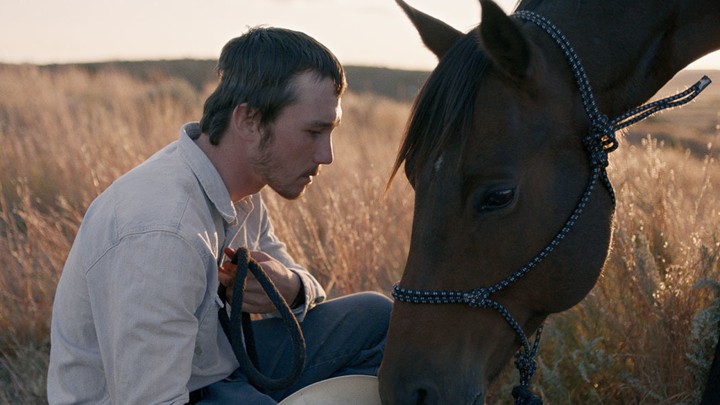
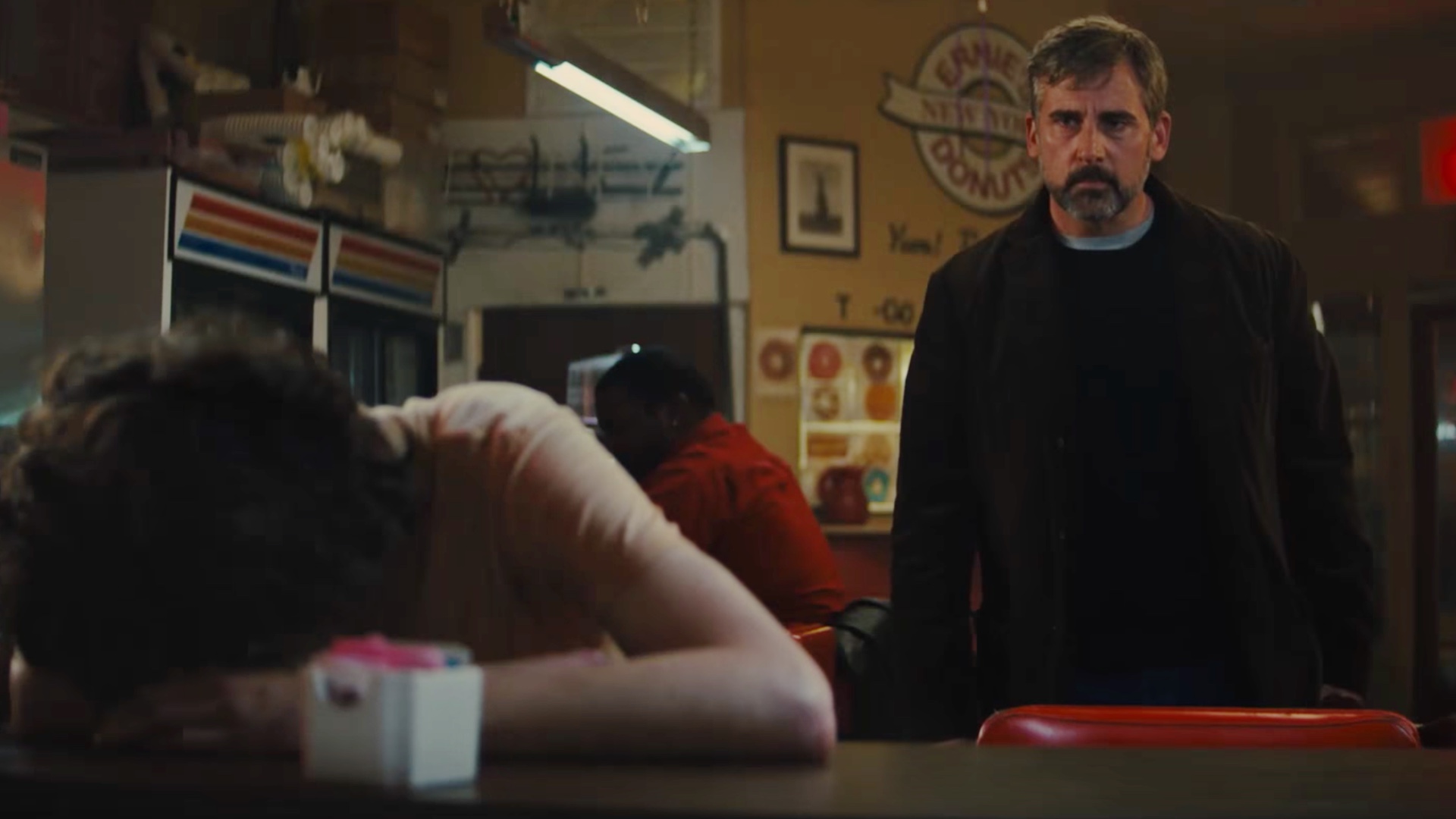
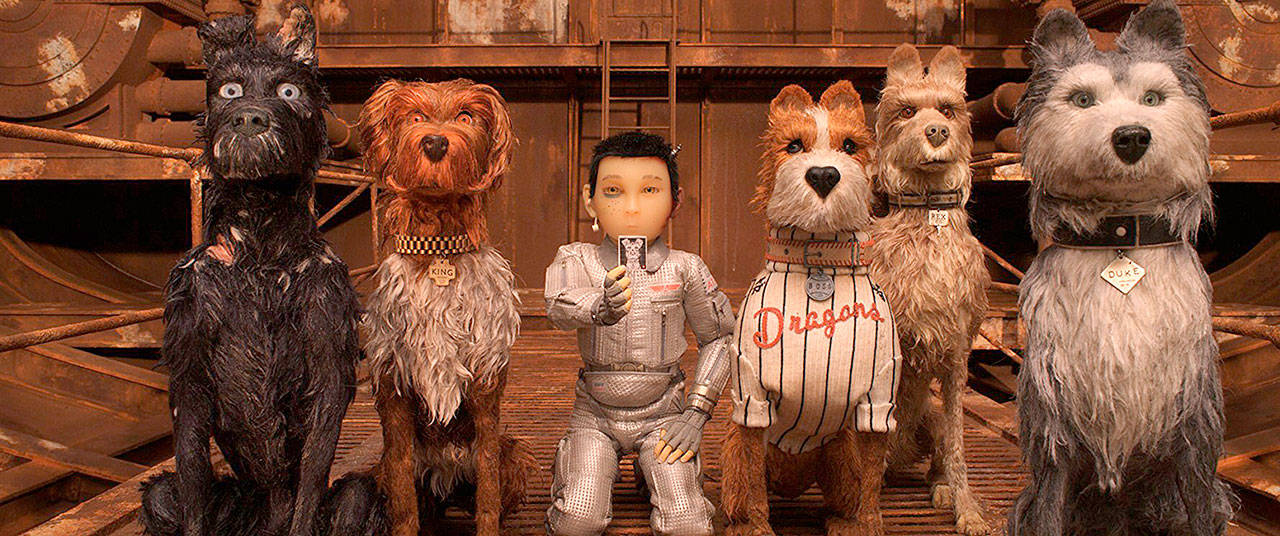


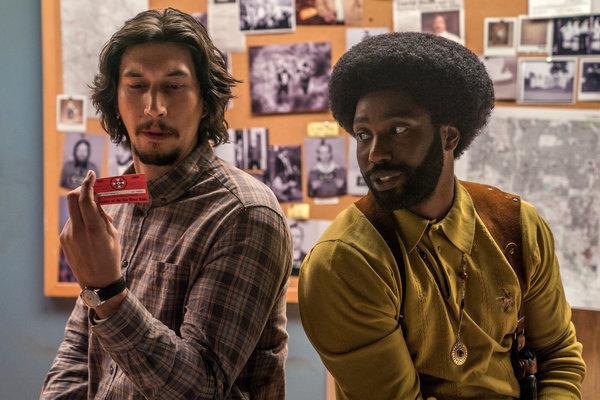



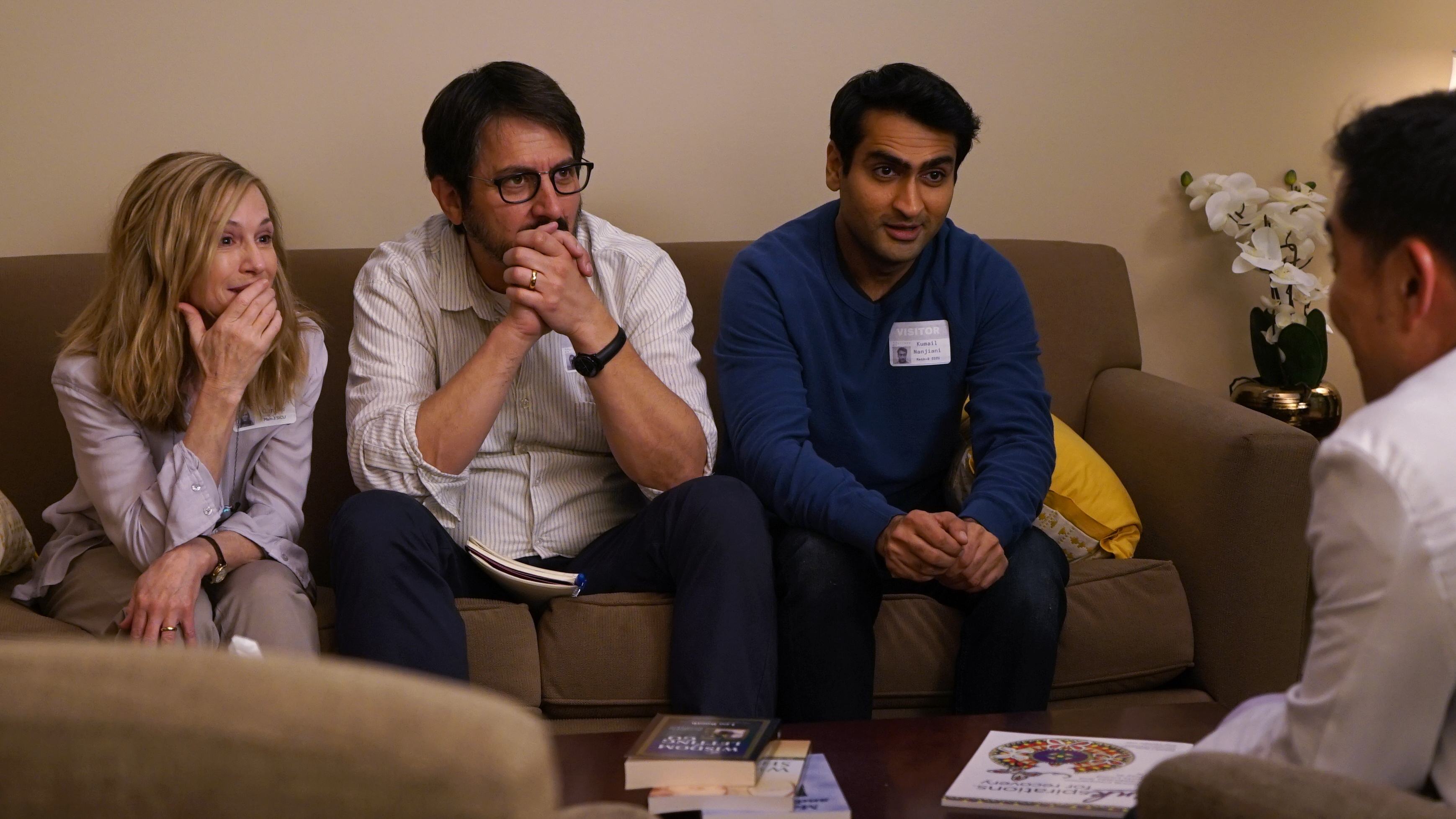 The first time I went to see The Big Sick, there was a power outage about 45 minutes in and I didn’t have time to wait for the lights to come back on. The second time I showed up late since I’d already seen the first 45 minutes, so I actually haven’t watched it start to finish in one sitting. The movie tracks the unfolding relationship of star Kumail Nanjiani and his wife Emily V. Gordon, whose near-fatal illness just after they’d broken up brought them back together and forged some very unusual and complicated bonds between the two of them and between Kumail and Emily’s parents. Having lived through some similar circumstances, I was drawn in by their willingness to share very vulnerable parts of their story with the world. The Big Sick is a smart, funny, and honest look into the complexities of a relationship interrupted by and then rebuilt in the valley of illness and trauma. Also, Ray Romano is perfectly cast here as Emily’s dad, and while I know he plays best in a fairly narrow lane, I think he’s become much more than just a silly sitcom actor.
 More than any other title on this list, Dunkirk leverages the power of the modern movie theater. Chris Nolan masterfully allows the oversized screen and dynamic sound system to carry as much of the freight of the story as scripted dialogue, and it works. Dunkirk is a cinematic force, visually stunning and paced start to finish by a mounting sonic landscape that seems to somehow emanate from inside your bones. It would rank higher on my list if the story and dialogue had more depth, though I know Nolan makes no apologies for the verbal sparseness. In a movie thin on scripted performances, Mark Rylance is again brilliant, filling the same kind of space he occupied in Bridge of Spies. He won the Best Supporting Actor Oscar in 2016 for that role, and I’m a big fan of his work in both films. It’s hard not to root for a guy whose career didn’t really take off until he was 55.
 Aiden (15) and I have been enthusiastically in on the Marvel movies since he has been old enough to watch them, but this crew is my favorite. James Gunn nailed the first installment, striking a near-perfect tone between superhero drama and legitimate comedy. Marvel was already succeeding on that front, but both Guardians movies have been high watermarks for the franchise. Part of what makes them work so well is a terrific ensemble of unusual characters who are all interesting beyond the first layer. Groot and baby Groot are not just talking trees, they are empathetic talking trees whose only words, “I am Groot,” somehow still constitute a full vocabulary that only a surly talking Racoon can understand. Chris Pratt is clearly the star here, but he grew up as an actor working among one of the best ensemble casts ever assembled (Parks and Rec) and is perfectly at ease as the center piece of a group of strong supporting characters.
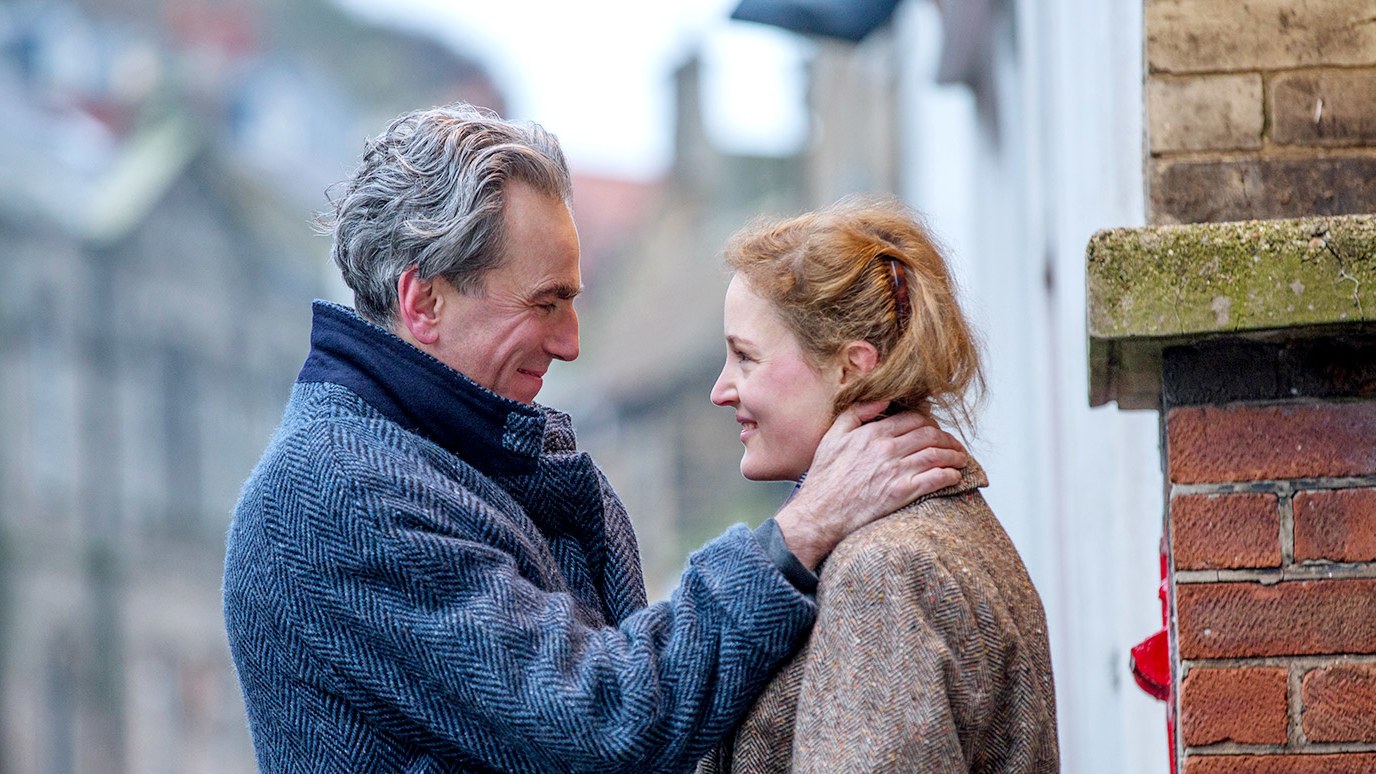 This is a surprise entry on my list, not because it isn’t getting high marks from critics (it is) but because it’s a Paul Thomas Anderson film about a fastidious dress maker in post-war England. I have limited capacity for PTA’s affection for illogical plot structure and unresolved storylines, so I entered the theater with low expectations and left pleasantly surprised. I wasn’t sure how I was going to feel about this one until the very end; with about six minutes left, I was prepared to really hate it. That’s not because it had been terrible up to that point, but because I could see the unsatisfying, sideways ending that would make me regret spending money to see a movie about a fastidious dress maker in post-war England. And don’t get me wrong, it’s still a true Anderson film that keeps him solidly in “That boy ain’t right” territory. Many folks will find it weird and a little disturbing. But with all of its quirks and long stares in unsettling directions, I found it a lot more accessible than some of his previous work. It looks terrific on the screen, the music is gorgeous, and if there’s a better actor than Daniel Day-Lewis in the world, I don’t know who it is. Some scoff at these kinds of descriptions, but you get the sense that you’re watching a true artist do what he was born to do as he inhabits the character of Reynolds Woodcock. Day-Lewis has insisted that this was his final project and, already the only man to win three Best Actor Oscars, I suspect he’ll go out as the only man to win four.
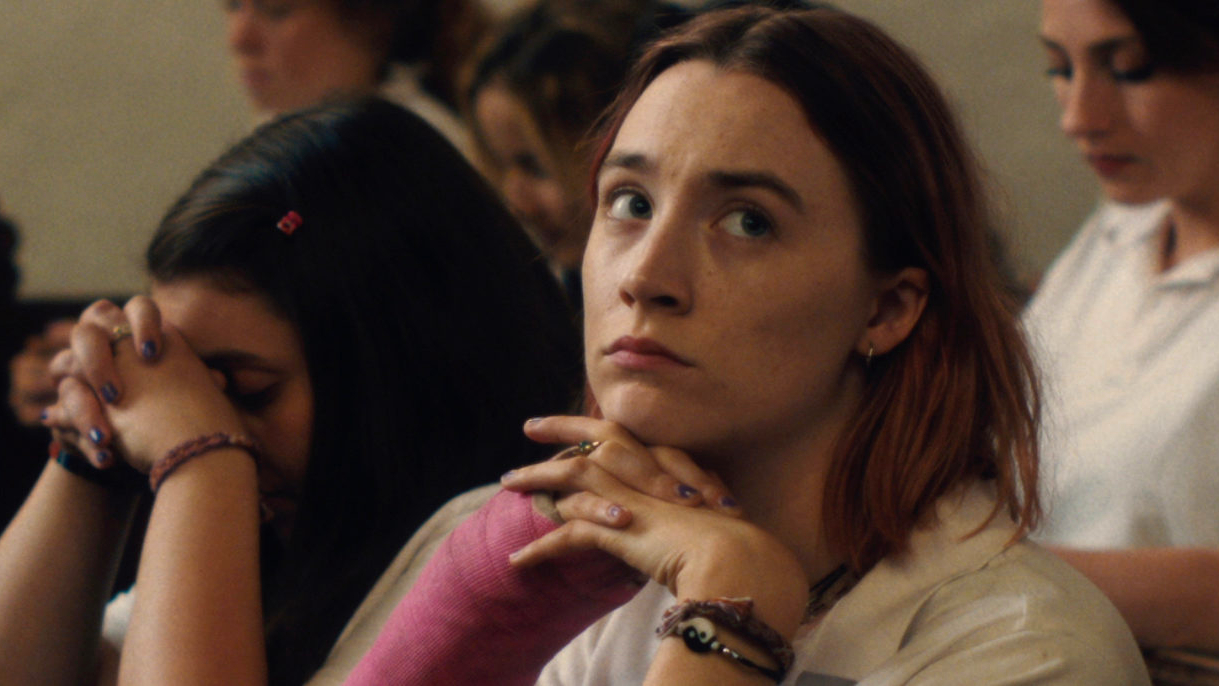 I have a theory that most teenage boys are subconsciously choosing to settle for a shallow existence at exactly the same time that most teenage girls are plunging their whole hearts into the depths of every possible human emotion. I’m sure someone came up with that theory before I did. And I’m sure someone else decided that it was a bad stereotype of both genders. But I’m still pretty convinced that it’s mostly true, and Lady Bird is a movie about the painful superiority of the choice to feel and care and risk in a world where half of your peers are not only doing the opposite, but are terribly ignorant that there’s another way. It’s about a lot of other things too. It’s also a smart, funny movie that manages to be both honest about and kind to American teenagers without relying on a pile of cliches.
 Thirty minutes into Thor: Ragnarok, I thought to myself, “This is too funny. They can’t keep up this comedic pace and still execute a reasonable plot with any substance.” I was wrong. It is relentlessly funny start to finish, and it still manages to be a good movie that moves one of the marquee Marvel storylines forward. A lot of that credit goes to the three writers, who had worked almost exclusively on smaller Marvel projects, but it all happened under the guidance of director Taika Waititi, who I expect to become a real star. Marvel’s willingness to take a chance on young filmmakers who haven’t worked in the genre (or on any big budget film) is a refreshing departure from the Hollywood formula, and Waititi may be the best of the bunch. He began his career working with Jemaine Clement (Flight of the Conchords), and that same comedic sensibility is evident in his more recent work. He wrote and directed the quirky, wonderful New Zealand hit Hunt for the Wilderpeople, which was one of my favorites last year. In his Marvel directorial debut, he also plays Korg, the aforementioned guy made out of rocks who tried to start a revolution but didn’t print enough pamphlets. And in a movie full of real laughs, Korg was understated comic brilliance. Oh yeah, Chris Hemsworth, Anthony Hopkins, Idris Elba, Benedict Cumberbatch, Mark Ruffalo, Tom Hiddleston, Jeff Goldblum, Cate Blanchett, Tessa Thompson, etc. This one is big, loud, fun, and one of my favorite Marvel movies so far.
 Ten year-old Thad is furious with 42 year-old Thad for putting a very good Star Wars movie that gave us the return (and end) of Luke Skywalker and Princess Leia this low on a list of Thad’s favorite movies. Heck, 21 year-old Thad probably would have vowed to put a quality Star Wars movie at number one for a decade if we could just, for the love of Yoda, get another good Star Wars movie. But what can I say? It’s 2017 (well, it was when The Last Jedi dropped) and this is the third good Star Wars movie in three years. So much digital ink (and blood) has been spilled about this one, and I don’t have a lot to add except to say that I think making a Star Wars movie that will please audiences is one of the tougher jobs in the movie industry. The standards of the purists are just impossibly high and often at odds with the the standards of the rest of the purists. It isn’t perfect, and I still prefer The Force Awakens of the three new installments, but I’ll be hard pressed to be too critical of any good Star Wars movie. We all know what a bad one looks like, and thankfully we haven’t even sniffed that territory in the reboots.
 I don’t do horror movies. I honestly can’t remember the last one I saw before this one. I was persuaded to push through my discomfort after learning a bit about what Jordan Peele was after with Get Out (but not so much that I knew what was coming plot-wise). If I had an Academy Award vote, I’d be hard pressed to vote for anyone but Peele in both the directing and original screenplay categories. Get Out is just so very smart from conception to execution. The backbone of the film is a cutting send-up of paternalistic racism, but the layers to the story and symbolism are seemingly endless. Fair warning, it really is a horror movie with all the creepiness and killing you’d expect.
 Movies 2 through 5 could easily be reshuffled in almost any order depending on when you ask me. Mudbound is the only one on this list that I didn’t see in theaters since it’s a Netflix movie, and I have mixed feelings about the changing nature of film distribution. It’s hard to complain about the production of more quality movies, and the direct-to-streaming model has been especially valuable in the creation and distribution of powerful documentaries that most of us wouldn’t see otherwise. But there’s no reason Mudbound wouldn’t have been a successful theatrical release, and multiple times as I watched, I wished I could see it on the big screen. This is an excruciating and beautiful story about two families on the same piece of Mississippi land in the 1940s — the black sharecropping family who has lived on the farm for years and the white family who has just purchased the land. It’s a brilliant lens into the history of that era, race, war, family, and the nature of human dignity. Mary J. Blige (who is very good here) was nominated for Best Supporting Actress, but it was Rob Morgan’s work as her husband and the family patriarch, Hap Jackson, that I found most compelling. [Content warnings: There is a brief subplot about sexual abuse and a brutal scene where a black man is tortured by the KKK.]
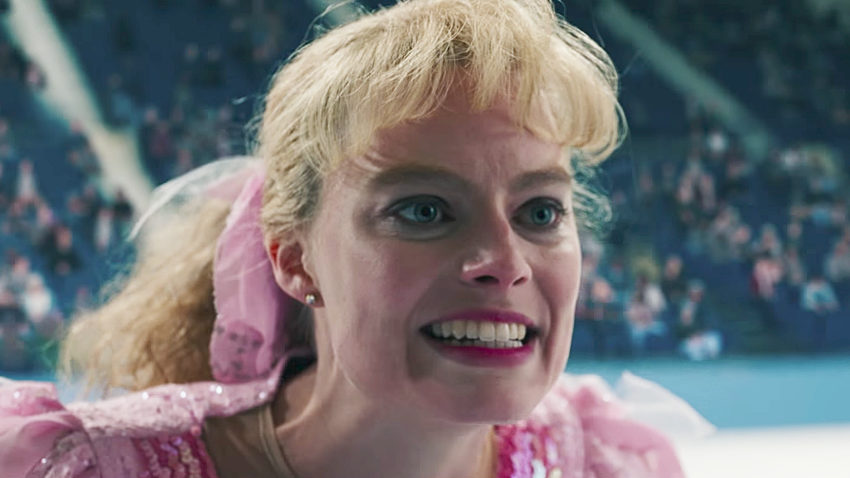 In almost any other year, this force of a movie probably would be at the top of my list. Anyone who lived through the bizarre Tonya Harding ordeal knows it was truly stranger than fiction, and that often makes it nearly impossible to create a feature film that does the story justice. But this movie is absolutely as b-a-n-a-n-a-s as the real thing. It is wonderful and terrible in all the ways Harding’s life story demands. I may write a more complete review of this soon since I saw it recently and I left the theater with a waterfall of thoughts and feelings. What makes the film so compelling is that it convinces you that Harding and everyone in her life are terminally broken, dares you to judge them, and then demands that you not only find some empathy for (almost) all of them, but reminds you that we’re all an unpredictable mix of the best and worst versions of ourselves. Margot Robbie and Allison Janney (Tonya’s mom on your screen, C.J. Cregg in your hearts) are both magnificent and deserve whatever praise is thrown their way.
 I don’t call myself a “fan” of many people or things, but when it comes to Molly’s Game writer and director Aaron Sorkin: I’m a big fan. I first became enamored with Sorkin’s writing through A Few Good Men, though I didn’t know for a while that it was Sorkin I was fanboying. I just loved the movie and watched it two dozen times back when it was one of the few VCR tapes I owned. I watched it again recently expecting to be a little disappointed relative to my memory, but the writing, particularly the dialogue, is still sharp and brimming with energy. Sorkin went on to create and write The West Wing for its first three seasons (I’m on my fourth trip through the series), which is where I became more directly aware of him. He also created and wrote the HBO series The Newsroom and wrote the scripts for The American President, Charlie Wilson’s War, The Social Network (for which he won a Best Adapted Screenplay Oscar), Moneyball, and Steve Jobs. So I was eager for another full length feature from Sorkin, this one his first to direct.
 Yes, really. I was a late and almost accidental convert to the Apes trilogy. I remember being pretty disinterested in the first installment of the reboot (Rise of the Planet of the Apes) and initially being no more intrigued by the second (Dawn of the Planet of the Apes). One Friday afternoon I was in a “I need to go sit in a dark theater” state of mind, but the pickings were slim. I was surprised to see how positive the reviews for Dawn were, so I took a chance on it, going in completely blind to the context of the story. I really liked it and thought about it for days.
 Let me get the big warning out of the way here: About two-thirds of the way through Wind River, there is a very intense sexual assault scene. So despite my clear affection for this movie, I struggle to recommend it without a strong qualification. I caution anyone with sensitivities in that area to avoid this one. No movie is so necessary that you need to risk new trauma to see it.

 home anywhere
You must be logged in to post a comment.