This morning I climbed in a little white car with my youngest brother, his wife, and their three year-old daughter to begin the trek back from Nashville to Texas for Thanksgiving. We stopped for gas on the way out of town, and I wandered into the convenience store to browse the organic locally sourced peanut butter cracker section for breakfast. As I stood trying to decide which brand was likely to have the fewest number of carcinogens, I noticed a 50-something man (we’ll call him Buzz, because he looked like the kind of good-time Tennessee redneck who you ought to call Buzz) start to walk into the “beer cave” – the refrigerated room full of the various domestic pseudo-beers that keep a store like this in business. With one foot in the cave, a wave of self-consciousness seemed to stagger him and push him back out the door. He looked around, I’m almost certain, to see who was watching him go into the beer cave at ten in the morning. I tried hard to not be one of those people. Buzz then noticed there was a small section of beer outside the cave alongside the other cold drinks. He walked the drink aisle as though contemplating Dr. Pepper or organic locally sourced super water as an alternative to his original plan. He gradually drifted back to the beer corner, pulled out a six pack, and walked the long way around the store back to the register. Beer for breakfast it was.
Five years ago this scene would have tapped into a well of condescension and judgment in my heart. Even 18 months ago some of that same spirit of bewildered head-shaking likely would have emerged. I had heard about alcoholism and addiction. I had seen movies, read articles, and sympathized with those battling such demons. Sympathized in theory. When I came upon someone in the throes of drunkenness or poor decision making, my first thought was seldom sympathetic. I might get there eventually, but my reflex was rarely to think about that person’s story – wonder what led them to this moment of apparent foolishness or disregard for other people. But that was where my mind went today. I didn’t feel disdain or condescension for Buzz as he started into a six pack two hours before lunch. Mostly I wished I had the time and guts to introduce myself, go drink a beer with the guy, and listen to his story.
Why the change in my response?
For several months last year, someone we love very much who was battling alcoholism spent a lot of time with us. We lived and listened and just endured alongside her. We attended many AA and rehab meetings where we sat and listened to the stories of dozens and dozens of people who found themselves in the same fight. We saw some come and go – some gone for good, some gone and then back, pulling themselves off the mat to try again. And it changed me. It was a season of deep, rich, and sometimes difficult discovery – about other people, about life, about God, and about me. Perhaps the most staggering truth (and ultimately the most obvious one) that found me in that time was this: these people are me. I am them. Give me different parents, different trauma, different opportunity, different obstacles, one tiny sliver of different DNA, and I’m on the other side of this table telling my story while someone listens to me from the comfort of a privilege afforded them by none of their own doing – by a life free of the family or trauma or challenges or DNA that conspired to trap me in a system of broken physiology and thinking that, no matter how hard I try to navigate the system the way everyone says I should be able to, I cannot escape.
Which is to say I listened to people whose experiences and perspectives were different from mine, and I found myself in them. I discovered we were far more alike than the one obvious factor that placed us on opposite sides of an AA meeting would suggest. I learned to see something deeper than difference in a moment when difference is the easiest thing to see. I learned to ask questions. I learned to long to hear people’s stories in a new way. I learned that sometimes the people whose lives and behaviors seem the most absurd – most damanable – have lived so long in an avalanche of lies, abuse, disrespect, and broken relationships that they literally cannot conceive of a next step other than the one utter desperation demands. I learned that often the folks who I’m most prone to dismiss or discount are just me with a different wrinkle or two in their story, almost always wrinkles they didn’t choose.
As I watched through the dirty convenience store window, Buzz climbed into his truck, cracked the first beer free from the plastic ring, and drove away. I glanced down from the window and my eyes stopped on a newspaper. A camera had captured several black faces in a moment of visceral disgust and bewilderment as they heard the news in Ferguson last night. I looked at the anger and weariness in their eyes, surprised that instead of seeing people I ought to shake my head about, I saw that ol’ boy Buzz.
Last weekend I stood with Lisa and Jacob, two friends who are also sort of like my kids, and did something I’ve done about a dozen times: I spoke weighty words about marriage and, ultimately, affirmed their vows and declared them husband and wife, once and for all time.
Each time I perform a wedding, I am sobered by the gravity of what I will speak into being. My role in a wedding and the resulting marriage is relatively small, of course, but like many small things, I consider what I do sacred. What is happening is not about me at all, but I get to participate in the renewal and replanting of something eternal — to be a midwife of sorts as a new life emerges and to welcome that new life to the world that was made for it. If I am any use, it is in giving voice to transcendence and joining not only two lives, but also heaven and earth. The joy and meaning of that experience is deeply rooted in the life we have shared with these women and men and the life we share with them in their married years. And, of course, the older I get, the more aware I become that the fruit of these marriages will outlast me.
I’ve never really found words that describe how I feel about my (and, as a community our) role in all of that, but recently in Wendell Berry’s collection of poems The Country of Marriage, I found some that come close.
Planting Trees
In the mating of trees,
the pollen grain entering the invisible
the domed room of the winds, survives
the ghost of the old forest
that was here when we came. The ground
invites it, and it will not be gone.
I become the familiar of that ghost
and its ally, carrying in a bucket
twenty trees smaller than weeds,
and I plant them along the way
of the departure of the of ancient host.
I return to the ground its original music.
It will rise out of the horizon
of the grass, and over the heads
of the weeds, and it will rise over
the horizon of men’s heads. As I age
in the world it will rise and spread,
and be for this place horizon
and orison, the voice of its winds.
I have made myself a dream to dream
of its rising, that has gentled my nights.
Let me desire and wish well the life
these trees may live when I
no longer rise in the mornings
to be pleased by the green of them
shining, and their shadows on the ground,
and the sound of the wind in them.
A man said the terrible thing; that is the news today.
It was months ago, it seems — dim words mumbled in secret,
Only there is no secret, not for him, not for anyone.
So we disguise our delight with outrage, again.
We abhor him for his sin, except we don’t.
We love him, secretly thank him for being the ugly we aren’t —
Only there is no secret, not for us, not for anyone.
Our disgust is our song of gratitude: praise the fool that I’m not him!
And his words are indeed a fool’s — cockeyed, clanging.
The absurdity of his transgressions, sensational.
Which is quite how we like our offenders —
What good are they if not for giving sensation?
We’ll take fear now and then, a disruption of our boredom,
But we prefer inflated indignation, the gateway to our secret world
Where we dabble in the profane under the cover of shock;
Only there is no secret, not for us, not for our senses.
And yet we try, exhausting the vocabulary of offense,
Feebly disguising our relief that there is one more half-wit
With half our wit and twice our exposure
Or at least one whose missing half was exposed before ours.
And that is the secret where there is no secret,
That his shame is our sigh of relief.
More eyes on someone else’s secrets,
A stay of my execution, my own uncovering.
But someone does die now, and not just the fool.
True moral instinct is gasping its last,
Bled dry by the repeating refrain: We’ve never seen worse; who could be worse?
Worse than an old man, afraid of dark skin?
Afraid of his own wife — or of fidelity, at least?
Worse than nonsensical rambling about
How his world is still flat, the universe revolving about it?
But we know; we know this sad coot is the relic, not the root.
We know this is the knucklehead stuff, but convenient,
Pitiful enough to demand the damning and
To distract the bleating herd from the other.
So the other stays secret until it finds that there is no secret,
There is only the drunken illusion, fueled by our binging
On the sensation of the fool: I am not worse.
But there is no secret, not for me, not for you.
Epilogue: As I endeavor to grow as a writer and a human, I’m pushing into some new territory like this – verse, poetry, song(lyric)writing, and so forth. Over the past few weeks, I’ve been collaborating with someone else on something that actually culminated in something finished and something pretty good. Perhaps one day you’ll even get to hear it. For now the point is that something in that process helped me finally unlock a door I’d been trying to find a way around for a long time. I’m not sure how much is on the other side of that door or what it will be good for, but for the time being, I’m not too worried about that. It’s just nice to have a new room to explore.
And because I’ve always operated in prose, one of the tricks of getting into this space for me is, at least some of the time, trying to write what it is I’m trying to communicate in as clear a “how I would say it” way as possible. Ross has tried to push me in that way for a long time, and Andy Gullahorn, who is a ninja of a songwriter, offers that counsel to others constantly: Just write it like you would say it. That’s often not the final form, and it’s almost always woefully inadequate, but it sort of melts the ice enough for the water to start flowing. And, by the way, that inadequacy is, I think, is one of the cases for verse and poetry. There are things that can’t be said in prose that poetry, while it also cannot exhaustively express them, can offer a window through which we can see what can’t be said.
Anyway, for those interested in the process and/or for those who find poetry too nebulous and prefer someone to just say what they mean at all times, below is the very rough, more straightforward bit I wrote that helped me find my way into this. It is purposefully unedited, first-thought sort of stuff.
When someone does something really awful, especially in an area that culturally we have labeled as particularly shameful, we suddenly become indulgently moral creatures. Never mind that minutes before we learned of that person’s offense, we dabbled in “smaller” immoralities: spending money we should give away, tweaking the truth just so to preserve the .2% of our reputation that the truth might cost us, wishing we had what she had, wishing we had her to gratify our own desires. We didn’t do what this guy did. We didn’t speak the unspeakable. (We just did the unspeakable in a small, secret way.) This is the convenience of a world in which famous indiscretions are available to us in never ending supply and excruciating detail, though decidedly inconvenient for our souls. We get drunk on the brokenness of others so as to numb ourselves to our own accommodations of brokenness in our hearts. And the more we drink, the more we lose of both our own truth and of our collective sense of authentic moral indignation.
In which I bring back to the nest some of the shiny things I have collected throughout the week…
(In October, I traveled to Nashville for a weirdly fantastic gathering of folks called Hutchmoot. I have tinkered around with some words of reflection on that experience, but they have yet to find any resolution. Perhaps someday soon. Though the entire time was graced in ways I couldn’t have anticipated, one of my primary purposes for going was to hear Leif Enger, whose writing, starting with his magically earthy, transcendent novel Peace Like a River, has been a gift to me for many years. He did not disappoint, even in my few moments of casual conversation with him and his lovely wife, Robin. As he shared his affection for stories with us [“stories are the only theology that makes sense to me”], he offered this exhortation as a way of not only writing, but living, better stories: Look for the shiny things in life – even in the ordinary -and pick them up and collect them in the nest. And so this is but one way I aim to do just that.)
British Bible translator, scholar, and clergyman J.B. Phillips on the astonishing humility and humanity of the Incarnation that has altered all of history (1963)…
Amid the sparkle and the color and music of the day’s celebration we do well to remember that God’s insertion of himself into human history was achieved with an almost frightening quietness and humility. … In sober fact there is little romance or beauty in the thought of a young woman looking desperately for a place where should could give first to her first baby. I do not think for a moment that Mary complained, but it is a bitter commentary upon the world that no one would give up a bed for the pregnant woman — and that the Son of God must be born in a stable.
This almost beggarly beginning has been romanticized by artists and poets throughout the centuries. Yet I believe that at least once a year we should look steadily at the historic fact, and not at any pretty picture. At the time of this astonishing event only a handful of people knew what had happened. And as far as we know, no one spoke openly about it for thirty years. Even when the baby was grown to be a man, only a few recognized him for who he really was. Two or three years of teaching and preaching and healing people, and his work was finished. He was betrayed and judicially murdered, deserted at the end by all his friends. By normal human standards, this is a tragic little tale of failure, the rather squalid story of a promising young man from a humble home, put to death by the envy and malice of the professional men of religion. All this happened in an obscure, occupied province of the vast Roman Empire.
It is fifteen hundred years ago that this apparently invincible Empire utterly collapsed, and all that is left of it is ruins. Yet the little baby, born in such pitiful humility and cut down as a young man in his prime, commands the allegiance of millions of people all over the world. Although they have never seen him, he has become the friend and companion to innumerable people. This undeniable fact is, by any measurement, the most astounding phenomenon in human history.
Madeleine L’Engle with a pristinely poetic imagination of how creation itself experienced that humble moment of God becoming man…
Was there a moment, known only to God, when all the stars held their breath, when the galaxies paused in their dance for a fraction of a second, and the Word, who had called it all into being, went with all his love into the womb of a young girl, and the universe started to breathe again, and the ancient harmonies resumed their song, and the angels clapped their hands for joy?
Henri Nouwen on waiting, presence, trust, and hope rooted in and fueled by community…
Many of our destructive acts come from the fear that something harmful will be done to us. And if we take a broader perspective — that not only individuals but whole communities and nations might be afraid of being harmed — we can understand how hard it is to wait and how tempting it is to act. Here are the roots of a “first strike” approach to others.
It impresses me, therefore, that all the figures who appear on the first pages of Luke’s Gospel are waiting. … The whole opening scene of the good news is filled with waiting people.
…waiting is active. Most of us think of waiting as something very passive, a hopeless state determined by events totally out of our hands.
But there is none of this passivity in scripture. Those who are waiting are waiting very actively. They know that what they are waiting for is growing from the ground on which they are standing. That’s the secret. … Active waiting means to be present fully to the moment, in the conviction that something is happening where you are and that you want to be present to it. A waiting person is someone who is present to the moment, who believes that this moment is the moment.
To wait open-endedly is an enormously radical attitude toward life. So is the trust that something will happen to us that is far beyond our own imaginings. So, too, is giving up control over our future and letting God define our life, trusting that God molds us according to God’s love and not according to our fear. The spiritual life is a life in which we wait, actively present to the moment, trusting that new things will happen to us, new things that are far beyond our own imagination, fantasy, or prediction. That, indeed, is a very radical stance toward life in a world preoccupied with control.
The whole meaning of Christian community lies in offering a space in which we wait for that which we have already seen. Christian community is the place where we keep the flame alive among us and take it seriously, so that it can grow and become stronger in us. In this way we can live with courage, trusting that there is a spiritual power in us that allows us to live in this world without being seduced constantly by despair, lostness, and darkness. That is how we dare to say that God is a God of love even when we see hatred all around us. That is why we can claim that God is a God of life even when we see death and destruction and agony all around us. We say it together. We affirm it in one another. Waiting together, nurturing what has already begun, expecting its fulfillment — that is the meaning of marriage, friendship, community, and the Christian life.
Walt Wangerin Jr., reflecting on Zechariah and Elizabeth’s prayer for a child, seemingly unanswered for two lifetimes, finding its fulfillment at just the right moment and for the sake of all time and all humanity…
…God does not forget our prayers.
The particular and seeming-private prayer becomes, in God’s omnipotent answer, a universal benefaction. Universal: something for all flesh, something that binds all time together.
And you, my friend–you thought your older prayers had gone unanswered (because we live always in the particular present, forgetting the past, unknowing the future).
And you thought your personal praying had nothing to do with anyone besides yourself and a handful of intimate folk (because your own vision is confined to a particular space, place, community).
But your prayer is never yours alone. It is also God’s, you know.
German Jesuit priest and resistance philosopher Alfred Delp, from his prison cell just days before he was hanged by the Nazis in 1945…
But we have stood on this earth in false pathos, in false security; in our spiritual insanity…we believed that with our own forces we could avert the dangers and banish night, switch off and halt the internal quaking of the universe. We believed we could harness everything and fit it into a final order that would stand.
Here is the message of Advent: faced with him who is Last, the world will begin to shake.
If we want to transform life again, if Advent is truly to come again — the Advent of home and of hearts, the Advent of the people and the nations, a coming of the Lord in all this — then the great Advent question for us is whether we come out of these convulsions with this determination: yes, arise! It is time to awaken from sleep.
The world today needs people who have been shaken by ultimate calamities and emerged from them with the knowledge and awareness that those who look to the Lord will still be preserved by him, even if they are hounded from the earth.
Space is filled with the noise of destruction and annihilation, the shouts of self-assurance and arrogance, the weeping of despair and helplessness. But just beyond the horizon the eternal realities stand silent in their age-old longing. There shines on us the first mild light of the radiant fulfillment to come.
Encouraged by the surprising popularity of my lengthy profession of love for a superstar Aggie quarterback, I became emboldened to press more deeply into writing about controversial celebrities. And there was no question which pop culture icon and Aggie I would take on next: Ross King.
[That, my friends, is a master class in smooth transitions between seemingly unrelated topics.]
So perhaps I should get my disclaimer out of the way before I insist that you purchase Ross King’s new album, This Hope Will Guide Me.
For starters, Ross is sort of my boss. Wait, no. I’m sort of his boss. Well, we’ve been known to boss each other around anyway. We’re not very good at organizational charts or hierarchies in our little world. So maybe the best way for me to disclose my personal bias is to say that I’ve been given permission to spank his kids. The point is, we aren’t strangers. No doubt, it’s a bit of a strange and surprising road that has led us to deep friendship, both personally and among our wives and kids. When we met nearly twenty years ago, neither of us envisioned this life as co-laborers among a quirky, amazing group of people who are willing to be a church without a church building. But it’s our life, and it is very good.
So of course I want you to buy my friend’s record, right? Well, yes, but let me attempt to melt a layer off your cynicism by reminding you of something: it used to matter when those who knew us best spoke well of us. Back before we assumed everyone was just trying to make a buck or help someone who could make them a buck make a buck, we paid attention when people who would know would say, “This person is reliable to do what he’s doing; you should pay attention to him.” And it still should.
And that’s my angle here. I know Ross, and you should pay attention to the songs he is writing for the Church (by which I mean people). In fact, those of us who are a part of this peculiar little band of Jesus people called Community Church have something most church folks don’t: many of the songs we sing when we’re together actually grow out of the life of our community. I don’t mean to suggest that those who don’t have that experience are getting something less at church. Not at all. But we are getting something different, and that something is the life behind many of the songs on this new record. The songs Ross writes for the Church don’t exist because he has decided he can make money writing songs for the Church. They exist because he lives life with the Church, and then he locks himself in a room and turns that experience into art that can be poured back into the Church. I would love to tell you that all music that we label “Christian” (or even all worship music) was born in a similar way, but, well, maybe someday. Until then, these songs are, indeed, a gift, and not just to our local church community. They are for the Church in ways that few albums like this are.
I’m neither a musician nor a music critic, so my capacity for describing the quality of the music on This Hope Will Guide Me is limited. I can tell you that I am picky. I can tell you that I’ve heard more Christian albums and worship albums that I listen to once and never again than albums that I like, much less love. I can tell you that most of the music I own is not so-called Christian music. And I can tell you that this record sounds absolutely fantastic, and it has been in heavy rotation on my iDevices since he started sending me early versions of the songs. From a production, sound, and style standpoint, it’s the best collection of worship songs Ross has ever turned out. It just sounds terrific.
So I want it to be clear that when I write, “But what sets this album apart is the songs themselves” that I don’t mean that these are great songs that sound okay on the record. These are great songs that sound great.
But what sets this album apart is the songs themselves. As Ross is prone to do, he and his co-writers have found a way beyond the clichés and lyrical reruns and given voice to the things we want to say to and about God — and in this case, especially about where He stands relative to all the ways death seems to press in on our lives — but that often remain wordless. This is no small gift to the Church. As a teacher, preacher, or writer, one of the most meaningful and encouraging responses I get is, “You put words to what I think and feel but don’t know how to express.” Why does that feedback affect me so much? Because I know the value of having someone pull those scattered inner pieces of me together, making of them something whole that I couldn’t assemble myself. That moment is not just summary and synthesis of what we already knew; it is actually discovery. We find and are finally able to express that something that has been eluding us, opening life and the world up to us in a new way.
That is what these songs are doing for people in the Church. It is what they have done for me, but I’m glad I have waited several weeks to write about this album because I’ve been able to watch our community and many beyond it respond as they hear and sing the songs on this record. They’re saying many things, but they are all saying this: I am discovering something familiar, but brand new, about myself and God as I hear and sing these songs. I am finding that the Life that I hoped was real seems truer and closer when I hear and sing these songs.
The album is full of songs that do that, but rather than pretending to be a music critic and walking through them one at a time, I’ll just give you the simplest, most consistent example of it for me. The chorus of the song My One Response goes like this:
Unbroken, relentless, your love for me is endless
I have but one response
Hands open, defenseless, unguarded in your presence
This is where I belong
And it wrecks me every time I hear or sing it. It strips away all the layers of other Christiany stuff that I’ve taken on in my effort to be the right kind of person or make myself impressive or important to my Maker, and it renders me what and who I really am. And it reminds me that I don’t let myself be what and who I really am very often. And it reassures me that I am free to become what and who I really am anyway.
That kind of vulnerability does not come naturally to me, but I am better for having it exposed. I know some aren’t particularly keen on worship music for various reasons, in part because it often seems so oddly lofty and disconnected from real life. I easily could be (and can be) that person. And maybe I trust these songs and want you to trust these songs because they are not disconnected from real life. The same guy writing these songs about God for the Church wrote a fantastically out-of-place among religious loftiness song called The Non-Religious Me several years ago. Among other fantastically out-of-place among religious loftiness things, it says this:
I couldn’t find You in the sermons
I couldn’t find You in the songs
I couldn’t find You Sunday morning
And that’s when I knew something had gone wrong
I couldn’t see You in the reading
I couldn’t hear You in my prayers
I couldn’t feel You in my feelings
And I began to fear that You weren’t there
Then I thought I heard a sound
Somewhere in me
You said to stoop way down
And that’s where You’d be
I never thought I’d find You here
Way down in my shame and fear
I never thought that You’d draw near to this, my
faithlessness
I never thought to look for You
In this ditch that I’ve been crawling thru
I never thought You’d listen to the plea
Of the non-religious me (You can buy that one here.)
Listen up, I’m a pastor, and that’s a worship song for me sometimes. No, always. Even when I can find God in all those places, I’m always in touch with the moments when I couldn’t…and with the next moment when I won’t be able to find him there.
That’s what I mean when I say I trust these songs. They have been crafted among the Church — not the organization, the people — and are fully rooted in the ache and angst of our real lives. And yet from those roots have grown up these tremendous declarations of hope and Life and the world-altering reality that Jesus is all that we are not.
Last week I started and did not finish a piece about the eruption of insanity that accompanied the Miley Cyrus whatever-that-was at the MTV Video Music Awards. I admit I spent part of the week not really knowing what happened because, well, I haven’t watched MTV since they kicked Puck off The Real World or they quit playing music videos, whichever one of those was more recent. By the time I passively absorbed the many layers of ridicule, indignation, and mass hysteria triggered by her performance, I had a jumbled mess of thoughts in my head about our twisted relationship with famous people and what that reveals about our twisted relationships with ourselves. But honestly, my thoughts were too twisted to ask anyone to try to sift through them.
My kids partying in the U.S.A. as they are prone to do from time to time
And then Johnny Football made everyone crazy. Again. And I found myself having many of the same thoughts. And while I couldn’t name more than one song from Miley’s catalog of work (heyyyy-ey-ey-ey-ey-ey-ey…), I’ve witnessed every jaw-dropping second of Johnny’s, almost half of them in person. Let there be no confusion about my opinion that neither pop music nor football score very high on the scale of matters of eternal consequence. But people fall somewhere on the northern end of that scale, and lots and lots of people are obsessed with these two particular 20-year old people.
And lots and lots of people have decided that I am supposed to be shocked and flabbergasted and offended and indignant and angry at these two people as I scuttle my kids to the bomb shelter to shield them from the fallout of Miley and Johnny going nuclear. Particularly when it comes to Johnny, those telling me I should be shocked and flabbergasted and offended and indignant and angry like to appeal to two of my (suddenly) more virtuous qualities: I am a Christian, and I am an Aggie with an honor code, for pete’s sake. Never mind that prior to now, many of these same people telling me I should be shocked and flabbergasted and offended and indignant and angry because I’m a Christian and an Aggie with an honor code (for pete’s sake) have scorned and scoffed at me and my fellow Christians for our Christiany views on things and/or at me and my fellow Aggies (with an honor code for pete’s sake) for our peculiar Aggie ways. Suddenly these same pieces of my identity are why I should join the choir singing Johnny’s shame in unison.
Only I love Johnny Manziel. (I like to call him by his actual name rather than “Johnny Football” because – and this is the kind of offensive, perplexing drivel you’re about to encounter here – he’s a real person, not a cartoon character.) He’s not my hero, and he shouldn’t be your hero either. But it’s true. I love him.
That confession is immediately met by many with the assumption that I have sold my (suddenly) virtuous Christian and Aggie values to bow at the feet of a celebrity quarterback and the wins that come along with him. But that’s not true. I was at the game Saturday. We won, but I didn’t love everything that happened. I don’t love everything Johnny has done, on the field or elsewhere. But I love Johnny, and that’s the result of a lot more than his play on the field, the color of my t-shirt, and the ring on my finger. My unwillingness to make Johnny the symbol of all that is wrong with ______ (sport, kids these days, twitter, culture, etc.) is actually rooted in my faith and the values I’ve learned in my years as an Aggie. I certainly understand why some will feel differently, and I don’t by default consider those who feel differently to be fools. I’d just appreciate it if those who disagree would think a little better of me and my people, and so I’m writing this little primer to explain why I think I can love Johnny and still go to heaven when I die. And, if I wander into a sidebar about the absurdity of the collective manic episode sponsored by ESPN and a few others in response to various things Johnny has done (or is assumed to have done), it’s only because I think that our frenzied response says as much about us as it does about Johnny.
Johnny Manziel poisoning my son by being personable and friendly as he signs roughly his 490th autograph in 90 minutes.
I feel no need to duck or minimize this: I love to watch Johnny Manziel play football. Despite being an absolutely useless football player myself in middle school and high school, I love the game. I don’t know why, but I do. And in my many years of loving the game, I’ve never seen a player like Johnny. I have watched hundreds of college football games, many of them in person at Kyle Field, and no one has ever generated the kind of palpable energy Johnny does when he’s on the field. My 8- and 5-year old daughters, who don’t know a first down from a hoedown, feel that energy and respond to it. It’s one of the most bizarre things I’ve ever witnessed.
I was about fifty yards from Johnny both when he took his first college snap last year and again Saturday when he marched onto the field early in the second half to the Aggie Band blaring, “When Johnny Comes Marching Home” (which, I don’t care who you are or how much you hate him, was an undeniably epic sports moment) and answered with a salute to the 30,000 or so A&M students roaring for his return from suspension. And I loved it. I’m sorry. I did.
Did I also have that weird feeling down in the pit of my stomach that told me what was happening was a bizarre mix of the best and worst of who we are as people? Well, yes. But the longer I follow Jesus in this world and try to walk alongside others doing the same, the more thrilled I am when I come across these intersections of good and bad and sin and grace. Our goal isn’t to avoid those moments; it is to see in them the now and coming victory of the good over the bad. Maybe someday I’ll decide that this is foolishness, but in that moment of Johnny’s return, I saw both people teetering on the edge of idolatry and also spilling out Imago Dei – the image of God inextricably embedded in them. How so?
We were made for life and joy and the vibrancy, and those moments were overflowing with all three. But more specifically, we were created to love broken, reckless people the way we love ourselves and to rejoice with them when they have something to rejoice about even if they’re still a mess. And we were created to be loved in our brokenness and recklessness and to have people around us rejoicing with us when we have something to rejoice about. I expect almost no one to see Johnny Manziel as a victim at this point, but everyone should have a people – a tribe who is with them come hell or high water (as one of my tribes likes to say). On Saturday, there was no doubt who Johnny’s people were, and we were with him.
Now this is the point at which people around us start to get twitchy. The reaction runs the spectrum from being incredulous that otherwise moral people would stand with this guy to total cynicism that we are anything but blinded by our delight in Johnny winning games. And I get that. I have felt the same way about other crowds supporting their guys when I thought their guys were bums.
But I was wrong. Even if I sometimes was right, I was wrong. What I mean is, even if sometimes it was true that people were supporting their guy because they just liked that he brought them success, I was wrong to assume that was true of everyone. And I was wrong to believe or suggest that guys I didn’t know didn’t deserve a people to call their own who were fully in their corner.
When Johnny took the field Saturday, I wasn’t smiling ear-to-ear and cheering for him because I think he is an angel, and neither was anyone else. We know he’s a hot mess in many ways (and I don’t even know what “hot mess” means; I just know it fits). In fact, many of us were more amped up because we relate better to the return of the guy who hasn’t been able to keep it all together than to the guy who seems almost flawless. When someone around me gets beaten and battered – even if they were absolutely begging for a beating – I am compelled to come closer, not head to the other side of the road. And when they stand up and make another run at their life, whether that’s trying to get through the day without a drink or returning to the spouse they deserted or walking back onto a football field, I want to be right there saying, “Yes!” And when they blow it and embarrass themselves and those around them while trying to climb back into life, I want to be the guy who is ready to say “Yes!” again the next time. And the next time. And the next time.
If I’m honest, I’m not always very good at that, either with people actually in my life or with famous folks who behave badly. Cynicism comes naturally to me, and believing the best or hoping for much from athletes and other celebrities does not. At all. So as much as I love Aggie football, it’s actually a little nuts that I’m writing this – that I’m defending a hot shot quarterback. Aggie or not, I wouldn’t have felt this way in the past.
But here is one of the secrets of my weakness: my kids have wrecked my cynicism with their innocent hope. I have done very little to inspire in them any particular affection for Johnny, but they absolutely love him – not just the 11-year old boy, but the girls as well.
Johnny Manziel flirting with our youngest when she was too shy to shake his hand. Either that or he was taunting her for not being able to stop him. He did point to the scoreboard after this…
They know he’s gotten into some trouble (we’ve had great conversations about it), but they just perpetually believe his next move, on and off the field, will be the right one. They may be wrong, and they may have their little hearts broken, but here’s the thing: In some small way, this means the way we are raising them works. We are telling them redemption stories over and over, emphasizing that no one is ever too far gone for redemption to come for them, and they believe. They are, so far, uncorrupted by the dark, ugly “realism” most of us have accepted. They don’t believe Johnny is perfect (well, the 5-year old might). They just believe God made that guy too, so they naturally extend to him the same grace they want me to extend to them when they goof up for the 33rd time. They see in him not only what he is, but what they believe he will be because of God’s love for him. And so they don’t pause to analyze whether God’s love for him might be poured out some way other than (perhaps even opposite to) him being great on the football field. They leave that to God and just scream, “Johnny! Johnny!” every time he touches the ball. I can either dissect the moral or theological precision of their outlook on this or I can sit and learn from them that God can handle that dissection. I should just yell.
So as silly as it may sound to some, that potentially idolatrous moment of Johnny’s return was an exaggerated reminder to me of the way I’m supposed to see every such moment in the lives of broken people battling back from their mistakes. In that moment, we all saw hope for redemption. Whether or not it ultimately came or came in the way we all we would’ve liked, we were free to imagine and believe. It was terribly imperfect and laced with all sorts of other misplaced priorities, but it was one of many incomplete tastes of bigger, more abiding realities.
The imperfection of it all doesn’t cause me to push this into some category of life that is either irrelevant to or unaffected by the bigger, more important parts of who I am and what I believe. See, I also love Johnny because he is terrible at hiding what is broken in him. If they gave a Heisman Trophy for keeping it together and convincing people you’re doing just fine, I would own Johnny Manziel in that vote. I’m a level-headed, measured, middle-brained introvert who knows how to fly under the radar. The 20-year old version of me was more or less that way too. But let me be clear about this: if I had Johnny’s life at 20, I would have been racked with pride and fear and paranoia and insecurity. I might have never let you see it. I might have kept it together publicly, acted like the smart, stable, humble kid from a small West Texas town, and talked about Jesus as often as I could. But inside I would have been fighting all the same battles Johnny is fighting.
And that’s where I differ with so many who are openly expressing offense at and disappointment in who Johnny is. If he just kept all his mess inside and didn’t let it show, what would we think and say about him? If he were impatient, selfish, and self-destructive, but he was good at keeping it off social media and ESPN and knew how to put on his best face for the public, would we be applauding him or deriding him? I’m not sure the answer to those questions reveals something particularly virtuous about us. What I mean to say is this — the 20-year old version of me that I described is not a better guy than the 20-year old version of Johnny that we see. He’s just better at appearances.
Despite all of the moralizing and spiritualizing of Johnny’s bad behavior, there simply is no way around this: no one who has decided to run Johnny down by contrasting him with Tim Tebow or Robert Griffin III (two other recent Heisman winners who talked about God a lot and seemed to stay out of trouble) can do so with sound logic or Christian theology in their corner unless you know those guys intimately. Why? Because in every case you are judging the character of men you don’t know based on what you have perceived through the media. Do I need to make a list of famous folks we once thought were boy scouts who turned out to be anything but? Or a list of people we were told to hate who we later found out were quietly doing all kinds of benevolent things that upended our People-Magazine-cover-shaped judgements of them?
As often as not, we are lionizing or demonizing people based less on character than on polish. What I mean is we simply do not know whether people we’ll never have a real conversation with are as dreamy as they seem, and we’ll never know whether guys like Johnny are as petulant and selfish as we’ve concluded based on the 0.00004 percent of their lives that we witness through the lenses of social media, teevee cameras, and the media narrative crafted to turn our eyeballs and ears into ad revenue. We only know what we see, and what we see is often very carefully put together for very particular purposes. And frankly, I can’t think of much that we do that is less like Jesus than judging people based on how well they have or have not polished over their flaws.
I’m not trying to make everything gray or say there is no right or wrong. I’m not trying to appeal to your inner cynic and cause you to doubt that Tebow or RG3 are actually good guys. I’m trying to say that they probably are good guys with flaws and sins that would disappoint you if you knew about them. I’m trying to say that everyone I know personally who has spent time with Johnny and every member of the media who isn’t just firing from a distance but has actually been with him, says this: He’s a really good guy. (Wright Thompson, who wrote the complex piece for ESPN about a month ago actually said “really good dude.” He also felt enough affection for Johnny to publicly apologize to him and his family for the way quotes from the story were being pulled out of context and sensationalized.) So I’m asking: why do we consider our distant perceptions of other athletes we call role models to be valid while discounting the opinions of the folks who actually know Johnny Manziel?
Ultimately I am making what should be the very obvious point that our perceptions of famous people are almost always wildly incomplete, so we ought to be more measured in how we speak and write about folks we don’t know. We ought to be slower both to make people heroes and to make them villains. We ought to ride the brakes on our self-righteous evaluations of how people we don’t know are handling life circumstances we’ve never experienced.
I understand the objection here: My opinion of Johnny is based solely on what I’ve seen from him directly. I’ve seen him be an idiot on social media and a selfish punk on the field. That’s all I need to know. And listen, self-control is not a bad thing, so if your beef is that Johnny needs more of it, that’s fine. I don’t disagree. The 20-year old version of me living Johnny’s life probably would have exhibited more self control, at least publicly. The 20-year old version of me who did live also never spent a day with sick kids. Johnny does it regularly. Again, fair is fair. You can’t pick the parts of people you do or don’t like and define them to suit your angle.
We’re just not hard-wired to look for nuance or balance, so we focus on the most outrageous thing we see. With Johnny, it’s not hard to find because he doesn’t try to hide his stuff. It’s out there for all of us to see. So throw in a story that he spent the offseason filling his Mercedes with bags of money for signing his name — a story that didn’t have a single named source and that now is being rehashed in the media as though it as fact and with all kinds of stuff thrown in that wasn’t even in the original stories (stuff that many detractors are now repeating as fact) — and suddenly we have the TMZ-styled hysteria that we crave. He’s out of control and disrespecting his coach and alienating his teammates. Only his coach has made it clear that what the media spun as disrespect was Johnny doing exactly what he should have done — hearing that he’d done something stupid, not saying a word in reply, and moving his backside to the bench. His teammates vouch for him repeatedly, even laughing at the silliness of everyone’s obsession with hand gestures and fiery play. The opponent he made the “autograph” motion to is a guy he’s known for years – a guy who made the gesture to him first, and who says Johnny said to him, “What’s up Nick? Nice hit.” The humanity! (Yes, the gesture was dumb from a PR standpoint, but it wasn’t some sort of national statement – it was two guys who have been on a first name basis since they were truly kids having fun with each other on a football field. This is not international diplomacy, folks).
When the steam runs out on those charges, the real kicker the last few days has been the 15-yard unsportsmanlike penalty he got for jawing with Rice defenders and pointing at the scoreboard. Sumlin was obviously furious, so we have the magic bullet — a crime no one can use the word “alleged” to describe or suggest didn’t hurt anyone else. It cost his team 15 yards and the pleasure of having Johnny take the field for another series to hang another six points on the board. This, no doubt, is proof that Johnny Football is an unstable self-centered jerk making a mockery of the game.
Only this:
Did you see what I just saw? That was Tim Tebow ACTING LIKE AN ALLIGATOR and pretending he was going to EAT that poor kid from Oklahoma with his pretend alligator jaws. But at least it didn’t cost his team, right? Oh, 15 yards, same as Johnny? Hm. Well, at least it wasn’t an important game, right? Oh, it was the National Championship game in which he pinned a 15-yard unsportsmanlike conduct penalty on his team. Wow. Well, but it wasn’t like he was the reigning Heisman Trophy win–. Oh, right.
Kids, our sports halls of fame are filled with guys whose athletic ability was exceeded only by their capacity for trash talk, and we consider many of them American heroes. Michael Jordan may have been the best (and worst) talker ever. Larry Bird once approached an opponent before a Christmas Day game, told him he had a present for him, then later canned a three pointer in front of him and said, “Merry Effing Christmas.” Peyton Manning has never backed down from a conversation on the field. Satchel Paige used to not only tell opponents about his dominating stuff, he was known to make his defense go to the bench at times while he pitched to make the point that the hitter couldn’t hit him. Muhammad Ali…I don’t even have to go there.
I’m just wondering if anyone can contact Mark May, the clear point man of this broad campaign to convince us that Johnny really is that bad, so he can rebuke these folks, some of whom are pioneers of their sports and of culture, for shaming their respective games. Fair warning: he may be hard to reach on his elevated perch in Connecticut from which he is pouring onto Johnny Manziel gallons of the kind of sanctimony that only can come from a guy who, as a collegian, was arrested for disorderly conduct, resisting arrest, criminal mischief, terroristic threats, and inciting to riot (Inciting a riot! Come on, that is legendary stuff!) and then twice in the NFL for driving his vehicle while in a drunken state of drunken drunkenness. And Mark May is probably a good guy too, to be fair. But the 0.00004 percent of his life we know sure makes it seem like he might not be the right middle-aged cat who has never met Johnny (among all of the other possible middle-aged to elderly cats available at ESPN who have never met Johnny) to be leading the charge to cast 20-year old Johnny Manziel as a soulless beast sent to earth to devour personal character, sportsmanship, and world peace. Truly, my point isn’t to disparage May (all of this information about him is quite public), but this is a brazen illustration of the backwardness of a culture which enables the media to feed on young people for profit with no regard to this kind of obvious and absurd hypocrisy.
I know that to those who couldn’t care less about football or to whom Johnny Manziel is just a distant character, this may all seem silly. Sure, some of this is insignificant back-and-forth that matters only to those of us to whom college football matters a little too much. I’ll own that charge. And believe me, I know Johnny didn’t need me in row 13 of section 125 on Saturday, yelling my approval for his return. And no, not all of my jubilation in that moment was the result of some deep spiritual principle. But I believe our completely dysfunctional relationship with celebrity in our culture has so distorted our sense of personhood that we not only see people like Johnny Manziel and Miley Cyrus more as symbols of something we hate rather than as people, but we also scoff at the suggestion that intelligent, honest people could stand by them when they act the fool for any legitimate reasons. And at the end of the day, if you think I’m silly for loving Johnny Manziel and even sillier for writing about it, I can live with that.
But here’s the thing, and I just can’t shake it. I’m not writing this because Johnny Manziel needs my approval. I’m not writing because I need some sort of personal vindication as an Aggie. I’m writing because I’ve been implicitly and explicitly asked by bewildered and disappointed people to just admit that Johnny is an embarrassment and call him what he is — a spoiled brat who reflects poorly on A&M, his family, and any other group with whom he claims association.
Sorry. No thanks. And I won’t do it to your guys either. I’ve been the fool too many times, and I am surrounded by people who, when I act stupidly, just love me instead of taking to the internet to vent their disapproval of my behavior. Why do they treat me that way? Because the people around me know that I am a real person, just like them. And when we see people as people just like us, we don’t have the luxury of making them into cartoonish heroes or villains who will handily prop up our bogus notions of who the good guys and bad guys are. We remember that people are complex, seldom as one-dimensional as they might seem, and that we’re supposed to treat them as we want to be treated.
It’s easy to say, “Bring on the golden rule. If I were in Johnny’s shoes, I would want someone to tell me I was being a selfish idiot.” Sure you would, but let’s just remove the hypothetical. You’re going to be an idiot again sometime soon, probably by next week. So when you’re an idiot next week, would you like for me and thousands of other people who have never met you, some of whom have the freedom to do so for an audience of millions, to publicly call you out for your obvious idiocy and draw conclusions about the whole of who you are based on select moments of your idiocy, or would you like all of those people to not manifest their own ignorance about who you are, insult your character from a distance, and instead let those around you deal with your stupidity?
I fear we’ve been suckered into the media’s version of handling sin. When a real person behaves badly, I believe in confrontation and correction. As a Christian and as an Aggie, I believe that confrontation and correction is meant to help the person you’re confronting and correcting. Here is a saying that is trustworthy and true: When the national media engages in its version of pixelated, long-distance confrontation and correction, it has nothing to do with helping anyone except the person who is running his mouth and the shareholders who employ him. To those challenging Aggies and/or Christians for still being in Johnny’s corner, all I can tell you is that I’m not interested in either fueling or imitating that bastardized way of dealing with people’s sin. Do you want me to say Johnny is a sinner? Johnny is a sinner. Do you want me to say Johnny has done some really dumb things? Johnny has done some really dumb things. But if you want me to say that he’s a terrible person or that he’s not an Aggie or that he’s shaming all those who support him, you can flip back to ESPN for that.
Look, if we eventually find out that he has those bags of money he got for signing autographs hiding in his closet, that will be disappointing, and I’ll say so. But it won’t change my feeling that the whole pile of Johnny’s personal sins is less of a threat to sports, to culture, and to our kids (including the three in my house) than the reckless, toxic way we speak about real people who stir up our righteous indignation. It won’t lessen my conviction that I have spent too much of my life ridiculing and thinking poorly of people and too little of it wanting them to experience the life they were made for in all of its fullness, whether that life happens in the offices of a high rise, the family room of a home, the hard streets of the hood, or on a patch of grass at Kyle Field.
I’ve learned that from my people, who walk with me through my cycles of stupidity and always want good for me because, though I’m not Tim Tebow, I am a real person. So is Johnny Manziel.
[The next in my series of posts on controversial Aggies is here.]
I closed yesterday’s post (which should be read first for this one to have the right context) lamenting the tone and direction of so much of the public conversation about Trayvon Martin and George Zimmerman:
You don’t have to believe what Jesus said [Blessed are the peacemakers—they will be called children of God] or even believe Jesus is real to look at all of that and wish for something better. That instinct transcends race, creed, and all of our other differences. Unless your soul has been completely seared by so much heat and so little light, some elemental pulse of humanity in you has to know we weren’t made for this.
And yet I believe that realization creates a particular responsibility for those who do follow Jesus. If we claim to believe what Jesus said — that those who make peace will be called God’s children — it’s time to put up or shut up. The world around us is sinking into a canyon of hatred and anger and division, and we’re too busy proving that the chasm isn’t our fault to climb in and help. Either oblivious or indifferent to the fact that many of these fights aren’t even about right and wrong anymore because they have devolved into the kind of cyclical verbal violence that eviscerates God’s image-bearers and mocks the way He made people to relate to one another, we continue to use our precious words and energy to play around in the breach rather than make peace.
Let me be clear about this: there is a difference in a peacemaker and a peace-keeper. I am not suggesting that we tiptoe around patting everyone on the head, never having an opinion about anything. But if our reaction to the Zimmerman verdict or Obamacare or gay marriage or whatever else lights our fire isn’t running through the filter of the Gospel and driven by a compulsion to abandon the safety of our finely-built boat and swim alongside the people we think are in dangerous water (or just wrong), then we are fighting the wrong damned fight (and my word choice is intentional and theological). If our response to people we don’t understand, even if they have wronged or offended us, is to churn out angry or defensive words instead of graciously and sincerely seeking to understand them, then we are motivated by our own defense and vindication and not the coming Kingdom of Jesus. If we can’t identify the line between healthy conversation and futile bickering…if we are teasing out people’s anger rather than provoking them to love and real life…if we are drawing them offsides and mocking them rather than meeting them where they are and listening to them, then we are deciding that we’d rather play those games than be called God’s children.
It happens. I get it. We’re human — again, wonderful and awful. But it’s time to acknowledge it for what it is — overt disobedience to a whole pile of scripture that is every bit as problematic as whatever sin we think we’re addressing. The Bible goes after this at least as aggressively as any of the hot button cultural wars we seem so eager to fight. A sampling:
Fools find no pleasure in understanding
but delight in airing their own opinions.
Whoever is patient and slow to anger shows great
understanding,
but whoever has a quick temper magnifies his foolishness.
The one who has knowledge uses words with restraint,
and whoever has understanding is even-tempered.
Let your conversation be always full of grace, seasoned with salt, so that you may know how to answer everyone.
I confess that my journey into obedience to this part of the way of Jesus has been and remains long and difficult. I fail regularly, and my internal mechanisms are still being reformed even in areas where I have learned to keep my mouth (or computer) shut. So as is always the case, each and every “we” here is sincere.
But I think we have a problem that goes well beyond the natural margin of human error. I think it’s time to stop and ask why we have decided that these fights we can’t let go of are more important that assuming the identity and occupation of God’s children. Why don’t we believe that making peace in the way Jesus said God’s people make peace is enough to reconcile all things, including the issues that have us twisted in knots? Why can we not recognize that when we decide that the end of advocating for the right position justifies the means of repeatedly poking people with sharp sticks just to try to bleed the life out of their wrong position, we have become what we despise?
If we are preoccupied with convincing others that they are wrong and proving that we are right — especially about secondary issues of politics or culture — then we are at risk of telling a different story than the Story:
It is central to our good news that God was in the Anointed making things right between Himself and the world. This means He does not hold their sins against them. But it also means He charges us to proclaim the message that heals and restores our broken relationships with God and each other. (2 Cor 5:19)
That’s our message to the world around us, no matter how much they injure or offend us and no matter how wrong we have decided they are. It’s the only message that matters: God loves you relentlessly, and he sent Jesus not to condemn you for what you’ve done wrong, but to forgive you for anything and everything you’ve done wrong — to lead you back home and make you free. Jesus not only reconciles you with God, but he reconciles all broken relationships. He’s the one. That feeling deep inside you that people aren’t supposed to hate and hurt one another forever — that there has to be some way out of this. There is. It’s Jesus, who has done what no one else could: prove that the way to real life isn’t through conquest and getting our way, but through service and sacrifice and death.
A few sentences after declaring that Jesus is the Great Reconciler and that we exist to announce and embody his reconciliation, Paul quotes God (speaking through Isaiah):
When the time was right, I listened to you;
and that day you were delivered, I was your help.
And then he says this:
We are careful in what we teach so that our words won’t be a stumbling block…
God’s response to the same world we’re fighting was to listen and become their help. If we are his children, we not only follow his lead, but we take care that our words do not clutter anyone’s path to God’s message of reconciliation.
If our other messages and pet arguments and causes in any way distract people from seeing Jesus the Reconciler as he is…if they make us messengers of an incomplete reconciliation…if we are causing or exacerbating broken relationships instead of modeling the full reconciliation of the Gospel, then we are not only pushing our own agenda, but we are creating obstacles to the Gospel itself.
The world outside the Church doesn’t read the Bible. It reads Christians. May it read in us an eagerness to be called God’s children rather than children of another cause. May it read in us a love for making peace that is better than our best opinions and solutions. May it read in us the willingness to listen and understand before speaking. May it read in us the courage to step into even the bloodiest of frays and point the way toward grace and understanding. May it read in us the selfless story that points to Jesus as the reconciler of all things and the hope of all humanity.
You’re blessed when you can show people how to cooperate instead of compete or fight. That’s when you discover who you really are, and your place in God’s family.
On the heels of my guest post on GRACE’s website in May (which I republished here), I have been part of a small group of women and men led by my new friend Boz Tchividjian who are invested in both the Church and in care for survivors of abuse. As various scandals and tragic stories continue to surface, we noticed two troubling things happening: the Church often was dropping the ball in caring well for the abused, and the Church’s public voice on the issue was quickly being narrowed to the headlines from these cases and a few public statements by evangelical leaders that, for us anyway, came up short. We were and are convinced that this is an issue of primary importance to both Jesus and the world around us, and we desperately want to see the Church articulate and embody the heart of Jesus for the abused and forgotten. We have poured some of that energy into the drafting of a public statement about this issue, which is printed below. We certainly don’t think statements like this actually solve problems, but we hope this can be a starting place for many. Our goal is to rekindle some hope that there are women and men leading the Church with the guts and compassion to do whatever it takes to love broken and hurting people, showing no partiality based on titles or positions or appearances. Prior to publishing the statement this morning, we invited a number of others to sign on, and their names are listed after the statement. We hope many of you will sign on as well, both by adding your name online and by sharing it in your own spaces (blogs, other social media, etc.).
A Public Statement Concerning Sexual Abuse in the Church of Jesus Christ
Recent allegations of sexual abuse and cover-up within a well known international ministry and subsequent public statements by several evangelical leaders have angered and distressed many, both inside and outside of the Church. These events expose the troubling reality that, far too often, the Church’s instincts are no different than from those of many other institutions, responding to such allegations by moving to protect her structures rather than her children. This is a longstanding problem in the Christian world, and we are deeply grieved by the failures of the American and global Church in responding to the issue of sexual abuse. We do not just believe we should do better; as those who claim the name of Jesus and the cause of the Gospel, we are convinced we must do better. In the hope that a time is coming when Christian leaders respond to all sexual abuse with outrage and courage, we offer this confession and declare the Good News of Jesus on behalf of the abused, ignored and forgotten.
Through the media we have been confronted with perpetual reports of grievous sexual abuse and its cover-up. Institutions ranging from the Catholic Church, various Protestant churches and missionary organizations, Penn State, Yeshiva University High School, the Boy Scouts, and all branches of our military have been rocked by allegations of abuse and of complicity in silencing the victims. And while many evangelical leaders have eagerly responded with outrage to those public scandals, we must now acknowledge long-silenced victims who are speaking out about sexual abuse in evangelical Christian institutions: schools, mission fields and churches, large and small. And we must confess we have done far too little to hear and help them.
Holocaust survivor and author, Elie Weisel, once said, “Neutrality helps the oppressor, never the victim…silence encourages the tormentor, never the tormented.” When we choose willful ignorance, inaction or neutrality in the face of evil, we participate in the survival of that evil. When clergy, school administrations, boards of directors, or military commanders have been silent or have covered up abuse, they have joined with those who perpetrate crimes against the “little ones” – often children, but also others who are on the underside of power because of size, age, position or authority.
It goes without saying that sexual abuse is criminal, but within the Church we also believe that it is the work of the enemy of our souls — evil, horrific sin perpetrated in dark and hidden places, forever altering lives and destroying the faith of the abused. How could such evil be present and overlooked in the body of Christ? Surely as his followers, we would do everything in our power to expose the deeds of darkness, opening the mouths of the mute, the afflicted and the needy. The Church must never hinder those who so desperately need to run to God and his people for safety, hope and truth, while also providing them protection from the great deceiver.
But we have hindered the victims. By our silence and our efforts to protect our names and institutions and “missions,” we, the body of Christ, have often sided with an enemy whose sole purpose is and has always been to destroy the Lamb of God and his presence in this world. Our busyness and inattention have often resulted in complicity in allowing dark places that shelter abuse to fester and survive.
We must face the truths of our own teachings: To be a shepherd in the body of Christ and blind to the knowledge that your sheep are being abused by wolves in your midst is to be an inattentive shepherd. To judge merely by outward appearances is a failure of righteousness. To fail to obey the laws of the land as Scripture commands by declining to report and expose abuse is to be a disobedient shepherd. To be told that wolves are devouring our lambs and fail to protect those lambs is to be a shepherd who sides with the wolves who hinder those same little ones from coming to Jesus. To fail to grasp the massive web of deception entangling an abuser and set him or her loose among the sheep is to be naïve about the very nature and power of sin. To be told a child is being or has been abused and to make excuses for failing to act is a diabolical misrepresentation of God. To know a woman is being raped or battered in hidden places and silence her or send her back is to align with those who live as enemies of our God. Protecting an institution or organization rather than a living, breathing lamb is to love ministry more than God and to value a human name or institution more than the peerless name of Jesus.
Dear church of Jesus Christ, we must set aside every agenda but one: to gently lead every man, woman and child into the arms of our Good Shepherd, who gave his very life to rescue us from the clutches of our enemy and from sin and death — who rose from the dead and called us to the safety of his side. As we follow this Good Shepherd, we will “eliminate harmful beasts from the land, make places of blessing for the sheep, deliver them from their enslavers and make them secure in places where no one will make them afraid” (Ezekiel 34:25-28). Surely it is for such a time as this that the Church has been empowered to boldly and bravely embody the Good News to accusers and accused alike, and to forsake our own comfort and position to love the hurting with an illogical extravagance.
To all who have been abused, broken, deceived and ignored, we have failed you and our God. We repent for looking nothing like our Lord when we have silenced you, ignored you or moved away from you and then acted as if you were the problem. You are not the problem; you are the voice of our God calling his church to repentance and humility. Thank you for having the courage to speak truth. May God have mercy on us all and oh may the day come when his church reflects the indescribable love and compassion of Jesus, even to the point of laying down our lives for his precious sheep.
Jim Arcieri
Pastor of Community Bible Fellowship Church in Red Hill, PA
William S. Barker
Professor of Church History, Emeritus at Westminster Theological Seminary (PA)
Steve Brown
Professor, Emeritus of Preaching and Pastoral Ministry at Reformed Theological Seminary, President of Key Life Network, Inc., and Author
P. J. (“Flip”) Buys
Associate International Director of the World Reformed Fellowship, South Africa
Rebecca Campbell
Member of the Board of Trustees at Biblical Theological Seminary
Alan Chambers
Founder, Speak.Love
Kelly Clark
Attorney with the law firm of O’Donnell Clark and Crew, LLP in Portland, OR
Julie Clinton
President of Extraordinary Women
Tim Clinton
President of the American Association of Christian Counselors and Professor of Counseling and Pastoral Care at Liberty University
Wentzel Coetzer
Professor of Theology at Northwest University (Potschefstroom, South Africa)
James Courtney
Ruling Elder at Trinity Presbyterian Church (PCA) in Rye, NY
Margaret Courtney
Co-Director of Family Ministries at Trinity Presbyterian Church (PCA) in Rye, NY
Glenn Davies
Bishop of North Sydney, Australia
D. Clair Davis
Chaplain at Redeemer Seminary
Chuck DeGroat
Associate Professor of Counseling and Pastoral Care at Western Theological Seminary and Senior Fellow at Newbigin House
Mary DeMuth
Author and Blogger
David G. Dunbar
Professor of Theology at Biblical Theological Seminary
Diana S. Durrill
Pastor’s wife and Sexual abuse survivor
Michael J. Durrill
Pastor of Valley Community Church in Louisville, CO
William Edgar
Professor of Apologetics at Westminster Theological Seminary (PA)
Rob Edwards
Pastor of Mercy Presbyterian Church (PCA) in Forest, VA
Mr. Rinaldo Lotti Filho
Ruling Elder in the Presbyterian Church of Brazil (Sao Paulo)
Elyse Fitzpatrick Counselor and Author
Ryan Ferguson
Pastor of Community Connection at North Hills Community Church in Taylors, SC
E. Robert Geehan
Pastor of The Reformed Church in Poughkeepsie, NY (RCA)
Shannon Geiger
Counselor at Park Cities Presbyterian Church (PCA) in Dallas, TX
Douglas Green
Professor of Old Testament and Biblical Theology at Westminster Theological Seminary (PA)
Fred Harrell, Sr.
Senior Pastor of City Church in San Francisco, CA
Robert Heerdt
Chief Investment Officer at BenefitWorks, Inc.
Walter Henegar
Senior Pastor of Atlanta Westside Presbyterian Church (PCA) in Atlanta, GA
Craig Higgins
Senior Pastor of Trinity Presbyterian Church (PCA) in Westchester County, NY and North American Regional Coordinator for the World Reformed Fellowship
Justin Holcomb
Author and Adjunct Professor of Theology and Philosophy at Reformed Theological Seminary
Lindsey Holcomb
Author and former case manager for sexual assault crisis center
Peter Hubbard
Pastor of Teaching at North Hills Community Church in Taylors, SC
Carolyn James
President of WhitbyForum
Frank James
President of Biblical Theological Seminary
Karen Jansson
Board member of the World Reformed Fellowship Board Member and Treasurer of the Russian Orphan Opportunity Fund, USA
Kathy Koch
President and Founder of Celebrate Kids
Matthew Lacey
Development Director for GRACE
David Lamb
Associate Professor of Old Testament at Biblical Theological Seminary
Diane Langberg
Clinical Psychologist and Author
Daniel N. LaValla
Director of Library Services and Development Associate at Biblical Theological Seminary
Samuel Logan
International Director of the World Reformed Fellowship, President Emeritus of Westminster Theological Seminary (PA), and Special Counsel to the President at Biblical Theological Seminary
Tremper Longman
Robert H. Gundry Professor of Biblical Studies at Westmont College
Kin Yip Louie
Assistant Professor of Theological Studies at China Graduate School of Theology
Fergus Macdonald
Past President of the United Bible Societies (Scotland)
Todd Mangum
Academic Dean and Professor of Theology at Biblical Theological Seminary
Dan McCartney
Professor of New Testament at Redeemer Seminary
Scot McKnight
Professor of New Testament at Northern Seminary and Author
Jonathan Merritt
Faith and Culture writer
Pat Millen
Member of the Board of Trustees at Biblical Seminary
Philip Monroe
Professor of Counseling and Psychology at Biblical Theological Seminary
Amy Norvell
Director of Classical Conversations in Bryan/College Station, TX, Pastor’s wife, and Sexual abuse survivor
Thad Norvell
Pastor at Community Church in Bryan/College Station, TX
K. Eric Perrin
Senior Pastor of Covenant Presbyterian Church (PCA) in Cherry Hill, NJ
Michael Reagan
President of the Reagan Legacy Foundation
Matthew Redmond
Author
Nathan Rice
Director of Middle School Ministries at First Presbyterian Church (PCUSA) in Bellevue, WA
Tamara Rice
Freelance Writer and Editor
Adam L Saenz
Clinical Psychologist and Author
Karen L. Sawyer
Vice Chair and Chair Elect of the Board of Trustees, Biblical Theological Seminary and Adjunct Professor of Philosophy and Religion at Arcadia University
Scotty Smith
Founding Pastor of Christ Community Church in Franklin, TN
Ron Scates
Preaching Pastor at Highland Park Presbyterian Church (PCUSA) in Dallas, Texas
Andrew J. Schmutzer
Professor of Biblical Studies at Moody Bible Institute
Chris Seay
Pastor at Ecclesia in Houston, TX
Mike Sloan
Associate Pastor at Old Peachtree Presbyterian Church in DuLuth, GA
Basyle J. Tchividjian
Executive Director, GRACE and Associate Professor of Law at Liberty University School of Law
Laura Thien
LMHC and Board Chairperson of the Julie Valentine Center in Greenville, SC
Jessica Thompson
Author
Rick Tyson
Senior Pastor at Calvary Presbyterian Church in Willow Grove, PA
John Williams
Ruling Elder in the Orthodox Presbyterian Church in Washington Island, WI
John Wilson
Pastor in the Presbyterian Church of Victoria, Australia
[This is a bit of an interlude between what I wrote last week and the follow-up post I hope to write in the next day or two.]
I don’t write this kind of post often, but there are a lot more people stopping by here than usual. A lot more. I realize that even talking about the numbers will be off-putting to some, but maybe you can trust me for a moment (even if you think I’m headed to hell for what I wrote) and believe that, though I struggle with pride and love for the wrong things (including myself) as much as any of you, I’m not looking to impress anyone with this information. It just is what it is. In the six days since I posted Gay Marriage and the Posture of the Gospel, the site has had over 25,000 hits. I know that’s all in a day’s work for a lot of writers/bloggers, but that’s more like “all in a couple years’ work” for me. My posting has been sporadic lately, and while a few posts have generated 1,000+ page views, this is something else entirely.
I like to imagine the 25,000 of you like this:
I realize it’s probably more like this:
But if you’re still here or circling back for some reason, welcome. I’m thankful for your time and attention. Obviously I haven’t worked with any real vigor to draw this kind of crowd, but I am not flippant about the fact that a crowd has gathered anyway, at least for a moment. Surprised and a bit overwhelmed? Sure. I admit I’ve labored for days over some posts in the past, and they’ve been read by a few hundred (or a few dozen) people. This one I wrote in an hour or less with seven kids buzzing around me, and within a few hours it had been read by more people than live in the little West Texas town where I grew up (spread far the fame of the Golden Cranes)!
And it’s truly been a viral sort of effect. Rather than being a function of one or two extremely popular individuals pointing you all here, over 90 percent of the traffic is coming in from Facebook. On Monday, Alan Chambers, the long-time president of Exodus International who has been in the news lately for his apology to the gay community (followed by the decision to shut down Exodus completely), tweeted the link to my post with some kinds words and sent me a nice note. But the traffic pattern stayed the same – a chunk of referrals from Twitter, but most continuing to come from Facebook. The internets are weird, y’all. I mean, if I could have picked something to go viral about, it definitely would have been something that would make me super popular and beloved like gay marriage…
Also new to me is the challenge of sorting through over a hundred comments and many other notes sent to me directly. That experience has been a bizarre mix of encouraging and exasperating. Some have been very kind. Some have been critical, but fair. Some have sent me to hell or accused me of gearing up for the coming movement to legalize human-pet marriages (and let’s be honest, that ship has sailed…we all know people who are pretty much married to their pets). I have been fascinated by how one little post managed to simultaneously (forgive me, for there is no more precise term here) piss off people who disagree with each other completely…and to simultaneously encourage and inspire people who disagree with each other completely. I have gotten both positive and negative feedback from folks on all sides of this issue who represent a wide theological, political, and social spectrum. People are beautiful. And nuts. All of us.
I confess I remember being annoyed by popular writers who would post something, then never answer questions or remarks posted in the comments. All it took was one post going viral* for me to totally get that. And that’s weird for me. I believe in community and questions and dialogue, and yet I’m at a complete loss for how to foster and facilitate that in this context with the questions, challenges, and comments coming so quickly and from so many different perspectives (never mind trying to discern tone and motive.) Maybe it’s possible, but you’ll have to forgive me. I haven’t figured it out yet. I’m not ignoring you, and as I said, I’m slowly hammering out some more thoughts that I plan to convert to words soon. I hope that will help, but I certainly can’t promise I’ll answer every question. In fact, I promise that I won’t.
But in the interest of being human and open about my own process, I want to share what this experience already has taught me about the way I read and hear other people, especially people I don’t know. One of the most striking dynamics of this whole thing is how many people seem agitated by what I did not say. Frankly, I’ve been amazed at how much conversation there has been about what I didn’t write instead of about what I did write (and if I’m honest, “conversation” is a generous characterization of some of it).
I’m wrong all the time, so I’m not discounting the opinions of those who disagree with me, but here’s what’s strange: most of the “disagreement” left in the comments is not actually disagreement with what I wrote. It’s disagreement with what is assumed from what I didn’t write…assumptions about what I think, believe, or intend to communicate based on the fact that I did not say certain things people think I should have said. Many of those assumptions are wrong – some of them way wrong.
I think this phenomenon is symptomatic of some deeper issues we’re facing, both culturally and within the Church. But I’ll be reflecting on that for a while, and I don’t want to rush to a bunch of wild conclusions about it. For now, my receiving that kind of feedback in this case has exposed two things that are true of me in many other situations.
The first is that I’ve often demanded, even if sometimes unintentionally, that when someone deals with an important issue (and especially one I care a lot about) they say everything that I think needs to be said about that issue if they’re going to say anything about it. I’ve had very little grace to just let them say the one thing that seemed important to them to say in that moment. And especially when I don’t know that person, it becomes far too easy for me to bring all of my bias and baggage on the issue to the table and, through that filter, size that person up based not only on that very limited window into who they are, but also (and even more troubling) based on assumptions I make just because they haven’t said everything I want them to say about the issue. And it is good for me to gain that insight into my lack of grace and discernment in how I judge others. I don’t particularly enjoy being reduced to one moment or one conversation or one post that I’ve written, but I do that to others all the time. My bad. I repent. God help me to change.
The second thing I’ve realized is that sometimes I do that because it’s easier than dealing with the fact that what that person has written or said pokes holes in the boxes I’ve built around my safe ways of thinking and living. I don’t presume motives for anyone commenting on my post, and I’m not discounting anyone’s input for that reason. But it’s hard not to read some of what has been written and notice that it doesn’t deal with what I did write; it just seems to discount or dismiss it because of what I didn’t write. And while my incomplete and imperfect view of Jesus (in general and in that post) shouldn’t be mistaken for Jesus himself, there are some very clear truths and realities presented there that seem to be too easily brushed aside in the rush to gather up the caveats (which may or may not have been sort of the point of the post in the first place). But it’s hard for me to stay irritated about that (not impossible, just hard) because I’m aware of how easy it is for me to do exactly that when I’m on the other side of the transaction.
And again, I’m thankful for the reminder that I don’t want to live that way. I don’t want to find loopholes or escape routes when the comfortable rhythms of my thinking and living are interrupted by people or ideas I can’t immediately reconcile. I don’t want to shift the conversation before I’ve weighed the challenge in front of me. And I definitely don’t want to see Jesus, even if I’m seeing him in a new way, and jump too quickly to, “yeah, but…” ‘Cause I have an endless supply of yeah buts, and they almost always are weapons of self-protection, not keys to the Kingdom.
I want to test everything, certainly, but my goodness it’s easy for me to lean into (good) things like conviction and mistake my current imperfect understanding of truth for truth itself. And I’m not sure there’s a more reliable way to slowly wander away from truth than that.
Again, thanks to those of you who are new and those who are not. Thanks for the encouraging words and for the questions and challenges. I’m just a guy who has been ruined by the love of God and the life of Jesus, and I’m not going to get all of this right. I’m happy to have you stick around, but only if my fallible external processing here won’t cost you any sleep or create too much anguish for you.
If this new gig doesn’t work out…
*I used the word viral thrice in this post. My pal Ross (who has a terrific new record coming out soon that you should definitely buy) and I discussed what the official internet threshold for viral was and concluded that it probably was 10,000, which was handy since we had that conversation right as I passed the 10,000 mark. Ross suggested that if anyone ever tells us viral really means a million, we’ll just say, “Yeah, I’ve heard it both ways.”
My friend Nick Flora (who has a terrific new record that just came out that you should definitely buy) was around during this craziness, and he concurred that five digits was where one crossed into viral territory. Nick has 14,000 Twitter followers (if you count the 41 following Fake Nick Flora) and once had a tweet retweeted like 16,000 times, so he’s pretty much an expert on this.
So it’s settled, if only so I can say for the rest of my life, “Remember that time I went viral?” And pretty much everyone will say, “Not really.” Or “you had something that got to a million people?”
In December after the awful events at Sandy Hook Elementary, I wrote a piece entitled “Why I believe in Jesus when children are murdered.” Almost 3,000 people read it. Believe it or not, that’s not common for me on a blog that averages 6-8 posts a year. Now, like yours, my heart is breaking as devastating pictures, stories, and numbers emerge from Oklahoma, where a tornado has ravaged the community of Moore, including another elementary school. I considered simply reposting those words from December, as my sentiments are much the same and they seemed to strike a chord then. Some of those same words are here, but as I reflected, I also wanted to acknowledge an extra layer of difficulty and ache in these events: there is no madman with a gun to blame today. There is only this question…
What kind of God stands by while a tornado two miles wide indiscriminately devours a populated area and seems to pay special attention to a building full of terrified children?
That’s the question, isn’t it? Those of us who live by and tell a Story that an all-powerful God creates, sustains, and loves us often prefer to bury that question beneath familiar answers and the detached comfort that it wasn’t us in the path of that wicked storm. But we should stop that. The question won’t go away. We ought not do the world the disservice of ignoring or minimizing it because we are uncomfortable with the fact that, if we absolutely had to offer an answer to what this kind of event says about God, most of us would struggle to muster much more than: I don’t have the first damn clue.
To be fair, there are those who have more concrete answers and explanations for God’s motives. Perhaps there were some particularly sinful people He wanted to wipe out, and this is how He did it. It would seem odd that those people were all concentrated in Moore, Oklahoma or that many of them were in elementary school, but that won’t stop some from suggesting that God orchestrated this event for such reasons.
To be clear, I certainly believe that if God is who many of us suggest He is, then He can do as He pleases in accomplishing His purposes. I’ve lived enough in my almost thirty-eight years to understand that even my most basic assumptions about how life, death, and everything in between should happen are short-sighted and flawed. So if God is any kind of God — if He knows everything or even just a little bit more than me — surely He is able to see (even create) art when all we see is a series of chaotic brush strokes. If that is so, I do not deny that there is some divine logic in moments I experience as unconditionally tragic. And yet when Christians emerge in the aftermath of natural disaster posturing as God’s Secretary of Defense explaining the reason for His latest military strike, I confess I wonder if His next target might just be these self-appointed divine diplomats. Confidently blaming God for killing people because He’s mad at them or their neighbor by hand-picking the Bible stories that support your point while ignoring the ones that don’t seems to me a dicey endeavor.
But if I’m not prepared to declare that God was wiping out sinners in Oklahoma and considered the wider path of carnage “acceptable loss,” I’m left with the excruciating tension between immense tragedy no human caused or could have stopped and my belief that the unfolding story of God’s activity in the world is, as Tolkien tells it, everything sad coming untrue — even shootings and tornados. (Avoiding that tension, I suspect, is why many default to quick explanations.) The climax of that story is Jesus, the literal presence of the God who is Love sent among us to do what we cannot do — fend off brokenness and death.
It’s a ridiculous story by most standards, I know. And I don’t just mean the part where a God we can’t see is involved in our lives or the part where he actually shows up in our world in the form of a baby or the part where he somehow dies and rises again to save us all from our sins.
I mean the notion that death has been undone. It seems silly. Impossible. And of all days, today it seems utterly contrary to what our bloodshot, tear-filled eyes see on television. There simply is nothing about the death of school children and the hearts of parents split wide open that would cause anyone to suspect that death is undone. If anything, Death seems to be carving out new spaces in the world. We spend decades and billions of dollars chasing it down through vaccines and the eradication of diseases that plagued humanity for centuries. We arm ourselves and turn our schools into fortresses to stem the tide of its unthinkable new assaults. And then Death descends from the sky as if to mock us, a harrowing reminder that our safety is an illusion. No matter who you are or what you believe, this much is undeniable: Death is a persistent, heartless bastard.
Today is the kind of day that causes the most devout of (honest) Christians to look to the sky puzzled and shattered, wondering why. This is the kind of hellish suffering that places a seal over the hearts and minds of skeptics and unbelievers everywhere. And on days like today, the most devout of (honest) Christians understand why. If a merciful God exists and is involved in the universe at all, children shouldn’t die like this.
I confess I spent a number of years dealing with death mostly in theory and from a distance. The past year has robbed me of the option to speak about death and its undoing in abstracts. I’ve pastored three families grieving the loss of their father, sister, and daughter, including the families of two of my best friends – families I consider my own family. I’ve stood behind a microphone at three funerals. I’ve walked with Amy as she mourned the loss of one of her close friends, a thirty-nine year-old wife and mother of two young boys. I’ve cried at least once a week for months when I look at my kids, still deeply connected to the moments when death came for one of ours (and lost).
There is no religious pretense left in me when I speak of death. I know it is real. I know it is cruel.
And I can neither avoid nor fully answer the question, “Where is God when…?” But I am unsatisfied by the easy answers offered by the certain: the believer who confidently explains God’s motives or the unbeliever who insists that tragedy proves his absence. One denies Mystery; the other denies Goodness. Both are arbitrary, thinned conclusions drawn when our imaginations have been dulled and we see only brush strokes, forgetting that life is art.
So how do I believe in Jesus on a day like today? How can I still imagine that a loving, invisible God is alive and at work in a world where children and adults trying to protect them are arbitrarily slaughtered not by a mentally ill man with a gun, but by the wind itself?
Because I must.
I must believe that Death won’t be allowed to continue to eviscerate us. I must believe that better drugs and better laws are and better shelters are not our only weapons. I must believe that there is a greater victory coming than safer schools or fewer guns or a more stable climate. I must believe there is an Arbitrator of all things who sees through Death’s facades of violence and pestilence — who doesn’t discern between a gunman and a tornado as we do, but who simply sees these desperate eruptions as Death’s last gasps and, unbound by time, patiently points through them to His accomplished and yet still coming Victory. I must believe that the souls of children lost in the battle are not abandoned, but held and tended by their Gentle Maker. I must believe there is a Righteous King who will deal justly with Evil in all its forms. I must believe that there is a Rescuer who will make everything sad come untrue.
I cannot believe that life and death are arbitrary – that each child’s death will be the end of her story – that each shattered parent will be left without hope of a day when their every moment isn’t defined by unspeakable loss.
Life can’t be a story in which Tragedy and Evil and Death have the final word. There must be another chapter. And there must be a Hero.
Certainly there are other reasons for my faith, and there will be other days for describing them. Today is for this one: I believe in Jesus because I need a rescuing hero. I need to know that Violence and Death – however much they try to steal and kill and destroy – will not have the last word. I need to know that Love and Life win, and I refuse to believe they don’t.
Some say believing because I need to believe merely exposes my weakness. And they are right. I am weak. The difference between the weak and the strong is simply this: the weak admit they are weak; the strong deny it. But such strength is an illusion exposed by every tragedy and every death.
So what is stronger: fatalistic acquiescence to the grave or fierce hope that my need to believe something better than me exists simply sets the stage for a story better than the one I can write myself? None of us can fend off death ourselves. Accepting that weakness and yet believing death can be overcome — I contend this is true strength.
I believe in Jesus today because deep down in my soul, I believe Death will be undone, and the Story of Jesus putting Death itself to death is the best story I’ve ever heard. My soul says it must be true. Nothing else will do.
On this mountain he will destroy
the shroud that enfolds all peoples,
the sheet that covers all nations; he will swallow up death forever.
The Sovereign Lord will wipe away the tears
from all faces…



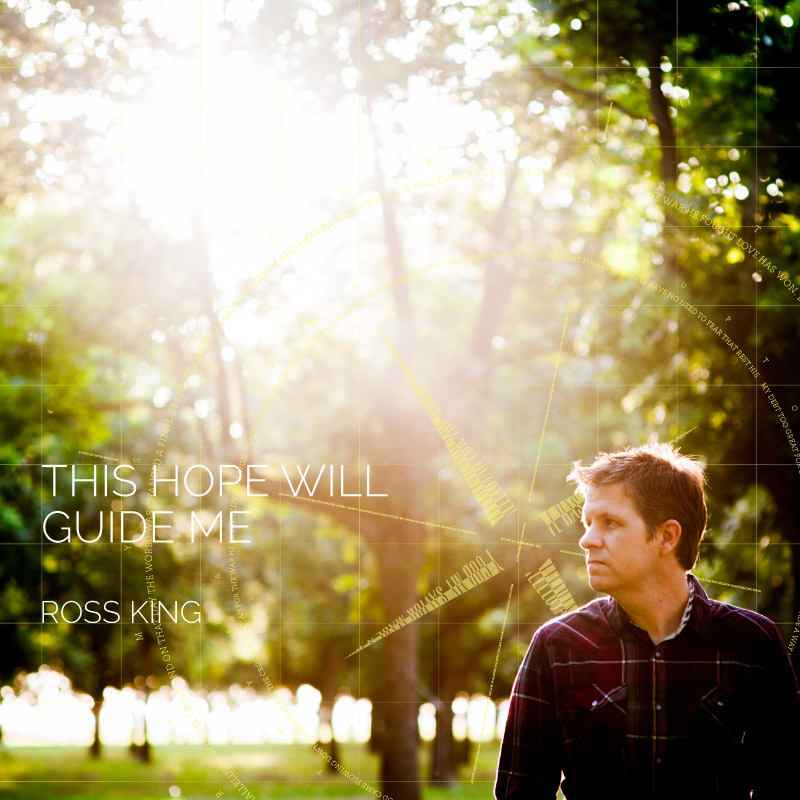






 home anywhere
You must be logged in to post a comment.